
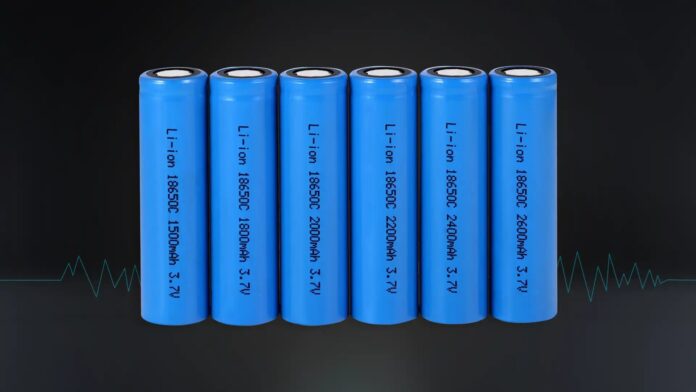
Have you ever noticed that some batteries have names that look more like secret codes than simple labels?
Here’s a fun twist—what if I told you the name 18650 isn’t just a random model number but a clue to exactly what that battery is physically?
Next time you’re tinkering with electronics or shopping for replacement cells, understanding what those numbers mean can save you time, confusion, and maybe even a mistake that leaves your device powerless.
Understanding battery sizes isn’t just for engineers. Whether you’re a hobbyist, a maker, or just curious, this 18650 review will turn a string of digits into something clear and practical.
What the Numbers Actually Represent
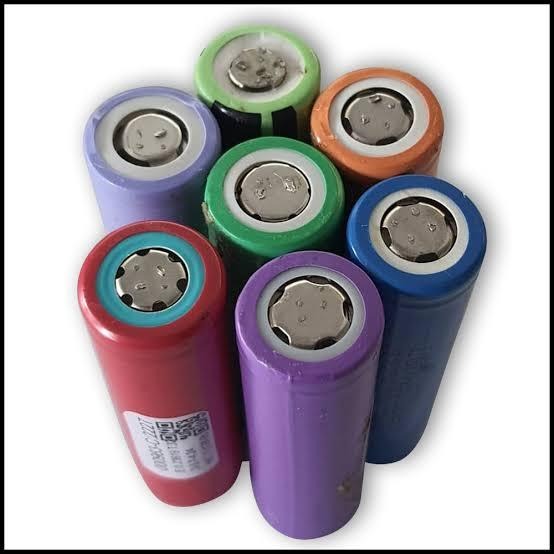
Let’s break down what 18650 stands for in a way that’s easy to picture. Here’s the anatomy:
- 18: This is the diameter in millimeters
- 65: This is the length in millimeters
- 0: Indicates a cylindrical cell format
So the 18650 battery isn’t a mysterious model at all. It literally tells you how big the cell is. This naming style is exactly why manufacturers, engineers, and tech enthusiasts alike love it—it’s simple, useful, and universal.
In fact, you can find these dimensions referenced again and again across guides and battery spec sheets, because consistency in size is key for compatibility with holders and battery packs.
Why Physical Size Matters More Than You Think
When you first look at 18mm by 65mm, those numbers might seem like trivia. But in practice, they shape a lot of the battery’s usefulness:
- Design compatibility
Devices are often designed around precise dimensions. If a battery doesn’t physically fit, it won’t work no matter the chemistry inside. - Energy density implications
A specific size sets constraints on how much material goes inside, which influences how much energy the cell can store for its volume. - Interchangeability
Standardized sizes mean you can often swap cells between devices of similar requirements without hassle.
Here’s a quick table to get a real sense of how 18650 stacks up next to other common cylindrical counterparts:
| Battery Size | Diameter (mm) | Length (mm) | Common Use |
| 14500 | 14 | 50 | Small torches, electronics |
| 18650 | 18 | 65 | Laptops, flashlights, tools |
| 21700 | 21 | 70 | High-capacity power tools |
These standards help engineers design battery packs that are modular and serviceable.
You’ll see them in everything from consumer electronics to electric vehicles precisely because that predictability matters.
The “0” at the end of battery size names like 18650 indicates that the cell is cylindrical. If the number ended differently (like 1865P), it could signify another shape or construction type altogether.
Common Uses of 18650 Cells in Everyday Devices
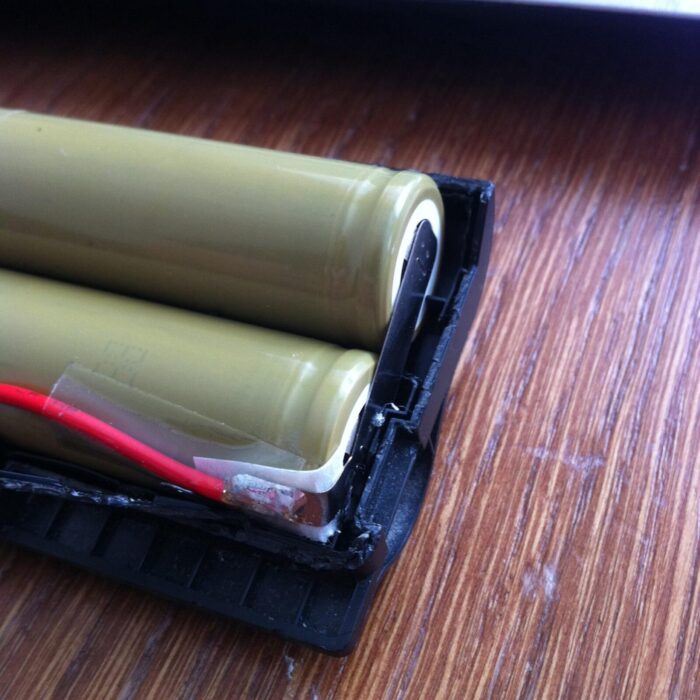
Once you understand the size meaning, you can begin to appreciate how versatile these cells are. Let’s walk through where they turn up most often and why:
- Laptops and portable electronics
Back in the 2000s and into the 2010s, many laptop battery packs were made from dozens of 18650 cells linked together. - Flashlights and tactical gear
Their high energy relative to size means long runtimes without a large battery hump. - Electric bikes and scooters
Modular packs of 18650 cells are common because they’re easy to assemble and replace. - DIY projects and makers
Because they’re a known size, makers can design holders and packs with confidence.
Notice a theme? Standardization makes design easier for everyone involved.
How Chemistry and Size Work Together
Here’s where things get interesting. The 18650 label only tells you physical dimensions. But what’s inside that little metal cylinder matters just as much:
- Nominal voltage
Most 18650 cells are around 3.6 to 3.7 volts. - Capacity range
Depending on chemistry and quality, capacities can range typically from about 1800 mAh up to 3500+ mAh in retail cells. - Chemistry types
Lithium-ion variants (like NMC or LiFePO4) influence performance, longevity, and safety features.
So physical size gives space for active materials, while chemistry determines how that space is used. Think of the size as the room and chemistry as the furniture layout.
Safety Considerations: What Size Doesn’t Tell You
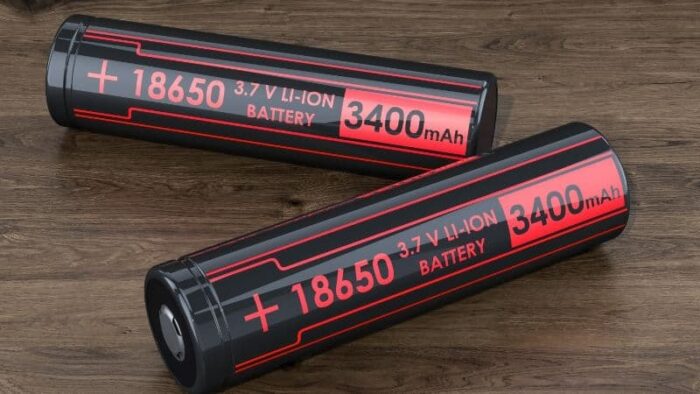
Just because two batteries are both 18650 physically doesn’t mean they behave the same. Here are some safety details to keep in mind:
- Quality and protection circuits
Some cells include internal safety features; others rely on external battery management systems (BMS). - Charge and discharge rates
Cells are rated for how fast they can be charged or drained. Exceeding these can lead to overheating. - Storage and temperature
Even within the same size, different chemistries tolerate heat and cold differently.
Here’s a basic checklist to stay safe:
- Always choose cells from reputable manufacturers
- Don’t mix old and new cells in a pack
- Use a proper charger designed for lithium-ion cells
Understanding size helps you identify the battery, but safety comes from how you use it.
Did You Know
The 18650 format became a sort of industry standard because it balances size, capacity, and manufacturability better than earlier cells.
Some of the first large adopters were laptop makers in the 1990s and early 2000s who needed reliable rechargeable cells at scale.
That bit of history points to why you still see this size everywhere even as newer formats like 21700 gain popularity.
Wrapping It Up
So what does 18650 battery actually mean? It’s not a random number.
It’s a clear, standardized label that tells you the battery is 18mm in diameter and 65mm long with a cylindrical format.
That simple labeling system unlocks understanding of compatibility, design, and performance.
By knowing the size and how it relates to use cases, you’re better equipped to choose the right cell for your project or device. The next time someone drops a battery code like 18650 in a conversation, you’ll not only know what it stands for but why it matters in real-world applications.
If you’re starting to build or upgrade systems with these batteries, that understanding makes all the difference between guesswork and confidence.