
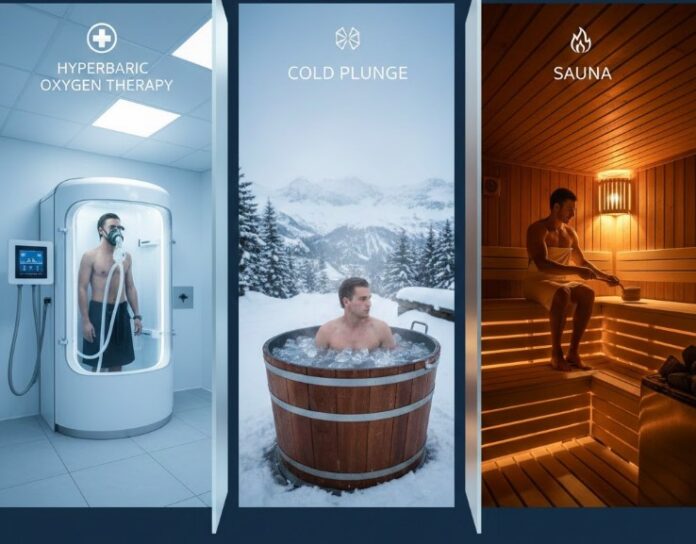
Cold plunges are having a moment. Saunas never really left. Hyperbaric oxygen therapy is quietly becoming the recovery tool people whisper about after seeing real results.
Walk into any gym, wellness studio, or performance clinic and you will hear debates about which method actually helps the body recover faster. Is it the shock of cold water, the deep heat of a sauna, or pressurized oxygen that reaches places normal breathing cannot?
Recovery used to mean rest and time. Now it means strategy. If you are trying to train harder, think clearer, or simply feel better in your body, the question is not whether recovery matters. The real question is which tool deserves a place in your routine.
Why Recovery Tools Are Being Compared More Than Ever
Recovery has shifted from passive to intentional. People no longer accept soreness, brain fog, or slow healing as unavoidable side effects of an active life. Wearables track sleep, inflammation markers are discussed casually, and recovery sessions are booked like workouts.
What ties hyperbaric oxygen therapy, cold plunges, and saunas together is their promise to speed up processes the body already performs. Each uses a different mechanism, pressure, temperature, or oxygen delivery, to influence circulation, inflammation, and cellular repair.
What makes the comparison tricky is that these tools do not solve the same problems in the same way. One calms inflammation quickly. Another improves long term resilience. One works deep at the cellular level while another focuses on nervous system regulation. Understanding how each one actually works changes the conversation from hype to practicality.
Hyperbaric Oxygen Therapy And How It Supports Recovery
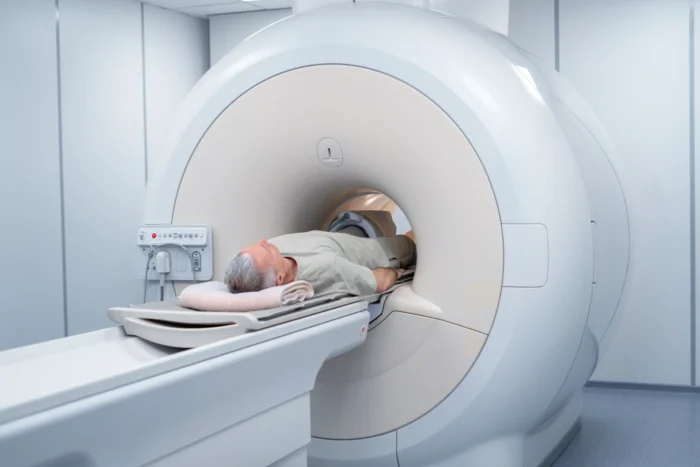
Hyperbaric oxygen therapy works by delivering pure oxygen in a pressurized environment. That pressure allows oxygen to dissolve directly into plasma, reaching tissues with limited blood flow. The effect is not subtle. Oxygen availability increases far beyond what normal breathing can provide.
This is why athletes, post surgery patients, and people recovering from injuries increasingly look toward clinical settings offering advanced chambers. In places where recovery culture is strong, such as Los Angeles hyperbaric chamber facilities, sessions are often used alongside physical therapy and training cycles rather than as a standalone wellness trend.
Key recovery mechanisms include:
- Increased oxygen delivery to damaged tissue, supporting faster cellular repair.
- Reduced inflammation by influencing cytokine activity.
- Support for angiogenesis, the formation of new blood vessels.
- Improved mitochondrial function, which impacts energy and endurance.
Important clinical note: Hyperbaric oxygen therapy is defined as breathing 100 percent oxygen at pressures greater than atmospheric pressure, which significantly increases tissue oxygenation compared to standard oxygen therapy.
This depth of action is what sets it apart. It works where heat and cold cannot reach.
Cold Plunge Therapy And The Immediate Inflammation Response

Cold plunge therapy relies on rapid exposure to cold water, usually between 50 and 59 degrees Fahrenheit. The shock causes blood vessels to constrict, which temporarily reduces swelling and numbs pain. For many people, the appeal is immediate relief.
The nervous system response is also part of the attraction. Cold exposure activates the sympathetic nervous system, increases alertness, and releases adrenaline. That can feel energizing, even euphoric.
Cold plunges tend to work best when:
- Managing acute soreness after intense training.
- Reducing swelling in joints or soft tissue.
- Improving mental resilience and stress tolerance.
- Creating a ritual that resets focus and discipline.
However, the effect is largely surface level and short term. Some research suggests frequent cold exposure immediately after strength training may blunt muscle growth by reducing the inflammatory signals needed for adaptation. Timing matters more than people realize.
Cold plunges are powerful, but they are not universally beneficial for every recovery goal.
Sauna Use And Heat Based Recovery Benefits

Saunas take the opposite approach. Instead of constricting blood vessels, heat causes them to dilate. This improves circulation, encourages sweating, and promotes relaxation of muscles and connective tissue.
Regular sauna use has been linked to cardiovascular benefits, improved heat tolerance, and enhanced parasympathetic nervous system activity. Many people use sauna sessions as a mental decompression tool as much as a physical one.
Benefits often include:
- Improved blood flow and nutrient delivery.
- Reduction in muscle stiffness and joint tightness.
- Support for heart health through mild cardiovascular stress.
- Better sleep quality when used earlier in the evening.
Saunas shine when recovery is about restoration rather than rapid suppression. They are less effective for acute injuries but excellent for chronic tension, stress accumulation, and overall resilience.
Did you know? Long term sauna use has been associated with reduced risk of cardiovascular events in large population studies conducted in Finland.
Heat builds tolerance. Cold shocks. Oxygen repairs.
Comparing The Three Approaches Side By Side
Each recovery method influences the body differently. Seeing them next to each other helps clarify where each one fits best.
| Recovery Method | Primary Mechanism | Best Use Case |
| Hyperbaric Oxygen Therapy | Pressurized oxygen delivery to tissues | Injury recovery, post surgery healing, neurological support |
| Cold Plunge | Vasoconstriction and nervous system activation | Acute soreness, inflammation control, mental toughness |
| Sauna | Heat induced vasodilation and relaxation | Stress reduction, circulation support, sleep quality |
This comparison highlights an important truth. These tools are not competitors in the traditional sense. They target different layers of recovery. Choosing one does not automatically exclude the others.
Which Recovery Tool Fits Different Lifestyles And Goals
A competitive athlete recovering from high volume training faces different needs than someone managing chronic pain or burnout. Context matters.
Hyperbaric oxygen therapy often suits:
- People recovering from injuries or surgeries.
- Those dealing with chronic inflammation or neurological fatigue.
- High performers looking for deeper cellular recovery.
Cold plunges tend to fit:
- Athletes needing quick soreness relief.
- Individuals seeking mental resilience and alertness.
- Short recovery windows between intense sessions.
Saunas work well for:
- People with high stress and poor sleep.
- Those managing muscle tightness or joint stiffness.
- Long term cardiovascular and metabolic support.
The mistake is treating recovery tools as trends rather than tools. Each one has a role when applied intentionally.
Can These Recovery Methods Be Combined Safely
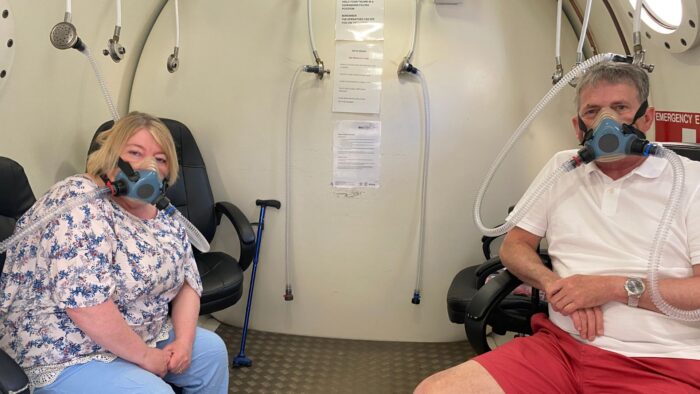
Many people experiment with combining cold, heat, and oxygen based therapies. The key is sequence and frequency.
A thoughtful combination might look like:
- Sauna sessions on rest days to promote relaxation and circulation.
- Cold plunges used selectively after endurance work, not strength sessions.
- Hyperbaric oxygen therapy scheduled during injury recovery phases or heavy training blocks.
Overuse is a real risk. More stimulation does not always equal better recovery. The nervous system needs calm as much as activation.
Practical insight: Recovery methods should reduce total stress load, not add another layer of pressure to perform self care perfectly.
Listening to feedback from sleep quality, mood, and performance matters more than following rigid protocols.
The Real Question People Should Ask About Recovery Tech
The debate is often framed as which method is better. A more useful question is which method solves the specific problem you are facing right now.
If inflammation is blocking movement, cold might help. If stress is wrecking sleep, heat may be the answer. If healing feels stalled despite rest and nutrition, oxygen delivery could be the missing piece.
Recovery is not about doing everything. It is about doing the right thing at the right time. Trends fade. Physiology does not.
The most effective recovery routines tend to be simple, consistent, and aligned with real needs rather than social media pressure.
Bottom Line
Recovery technology has expanded the options available, but it has not replaced common sense. Hyperbaric oxygen therapy, cold plunges, and saunas each offer real benefits when used with intention. None of them are magic. All of them can be misused. The people who benefit most are not chasing extremes. They are paying attention to how their body responds and choosing tools that support long term health, performance, and quality of life.