

The practice of planting trees as a way to commemorate loved ones has deep roots in human history, tracing back thousands of years. The ancient rituals surrounding death and mourning often involved nature’s elements, serving to connect the living with the spirit of the deceased.
Trees, with their strength and longevity, have been symbols of life, growth, and regeneration in numerous cultures around the world. The act of planting a tree in memory of someone who has passed is a poignant way to create a living memorial. In many indigenous cultures, trees have been considered sacred, often planted alongside gravesites as living embodiments of life and continuity.
These practices emphasize the cyclical nature of existence, where life continues through the growth of new nature, even after loss.
Historically, oak trees were often planted at the burial sites of great leaders and warriors, symbolizing their enduring strength, while other species were preferred for their aesthetic and spiritual meanings.
Cultural Variations ─ How Different Societies Honor Their Losses

Across the globe, many societies have developed distinctive customs that involve trees in their mourning practices. For instance, in Japanese culture, some communities plant cherry blossom trees as a tribute to those who have passed. The ephemeral beauty of cherry blossoms serves as a reminder of the transient nature of life and the importance of cherishing moments while they last.
In many Native American tribes, cedar trees are revered and often planted to honor ancestors, linking the present generation with the spirits of the past. Each culture has its unique connection to specific trees and their symbolism in the context of mourning, reflecting the diversity of beliefs surrounding death and remembrance.
In ancient Greece, the laurel tree became a symbol of victory and eternal life, often being used to honor the deceased during funeral rites. As societies evolve, these customs adapt, but the core idea remains: trees represent a deep-rooted way to remember and celebrate the lives of those we have lost.
The Evolution of Sympathy Trees Through the Ages
As humankind transitioned through various epochs—from prehistoric times to the modern era—the symbolism and practices surrounding sympathy trees have evolved. Initially, this tradition could be observed through the planting of trees in and around burial sites, which were often communal.
As urbanization began to rise, the concept transformed to focus on personal memorials, reflecting a more individualistic approach to mourning. Modern society has seen an increase in environmentally conscious memorial practices that emphasize sustainability; these practices not only honor the deceased but also contribute positively to the earth.
The rise of interment in memorial forests has become popular, where individuals or groups can plant trees in designated areas, creating lush landscapes that serve as tranquil spaces for remembrance and reflection.
Today, sympathy trees encompass both personal and communal experiences, creating lasting legacies that intertwine with modern ecological values.
Understanding the Symbolism of Different Tree Species
Oak Trees ─ Strength and Endurance in Grief
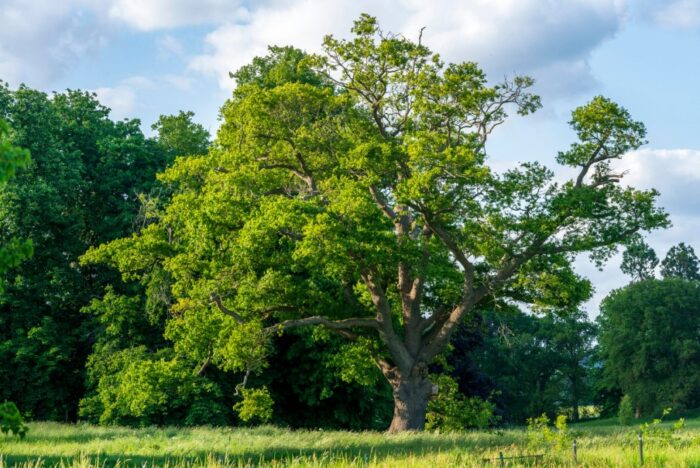
Among the various species of trees, the oak stands out for its remarkable symbolism of strength, stability, and endurance. In times of grief, many individuals resonate with the oak’s sturdy nature, wishing to embody the enduring spirit of their loved ones.
Oaks can live for hundreds of years and grow to impressive heights, representing the unbreakable bonds of love and memory that remain even after death. Furthermore, oak trees are known for their deep roots and wide-canopy, offering shelter and safety, much like the protective memories cherished in the hearts of mourners.
Choosing an oak as a sympathy tree is a powerful tribute; it signifies a long-lasting legacy, reminding those left behind of the resilience and strength found in shared experiences and cherished memories. The oak’s acorns also symbolize growth and new beginnings, reminding mourners that through grief, there can also be regeneration and renewal.
Willow Trees ─ The Beauty of Resilience and Sorrow
The willow tree, with its graceful branches that sway lightly in the wind, embodies a poignant blend of beauty and sorrow. Traditionally associated with mourning, the willow has a deep connection to grief, often planted in areas of remembrance.
Its long, drooping branches symbolize the weight of sorrow, while its ability to flourish in wet soils represents resilience and adaptability in challenging circumstances. The sight of a willow can evoke a sense of peace, as its gentle beauty offers comfort during times of emotional turmoil.
In literature and art, we see the willow often depicted in scenes of melancholy, emphasizing its role in reflecting our deepest feelings. When choosing a willow tree as a sympathy tree, individuals not only celebrate the memory of the deceased but also acknowledge the complexities of grief, acknowledging that sorrow can coexist with moments of profound beauty and compassion.
Birch Trees ─ A Symbol of Renewal and Hope
The birch tree, often dubbed the “tree of renewal,” represents a powerful symbol of hope and new beginnings. Its distinctive white bark and delicate leaves make it an inviting presence, embodying the essence of freshness and renewal.
In various traditions, birch trees are associated with cleansing and purification, making them a fitting tribute for those who have passed. The plant’s adaptability to different environments mirrors the dynamic nature of life and loss—how we adapt and find ways to move forward after experiencing grief.
By planting a birch tree, individuals can celebrate the life of the deceased while simultaneously embracing the notion of renewal, creating a space where they can reflect on their journey, honor their memories, and nurture the seeds of hope that spring forth from adversity.
Creating a Lasting Tribute ─ How to Select and Plant Sympathy Trees

Choosing the Right Tree for Your Loved One’s Legacy
Selecting the right tree for a sympathy tribute is a deeply personal choice that should reflect both the individual being memorialized and the sentiments of those left behind. When considering which tree to plant, think about your loved one’s personality, their favorite spaces, or any specific tree that held special significance in their life.
For instance, if they had a particular fondness for nature, selecting a native species that thrive in the local environment can bring added meaning to the memorial. Additionally, consider the growth characteristics of various trees, such as how large they may grow and where they thrive best.
Researching local flora can aid in choosing a species that not only honors the loved one but also contributes positively to the local ecosystem. Furthermore, visualizing how the tree’s presence will evolve can offer comfort, knowing that the life it supports and the memories it embodies will grow alongside you.
The Best Locations for Planting Your Sympathy Tree
The location of a sympathy tree plays a crucial role in its eventual significance and accessibility. Ideally, the site should be one where mourners feel a connection to the deceased, facilitating a place for reflection and remembrance.
Many people opt to plant trees in personal gardens, alongside pathways, or in community parks, where they can be visited and appreciated over the years. Public spaces such as memorial forests or arboretums can also serve as beautiful locations, offering serene environments that support the collective grieving process.
Consider the environmental impact of the planting location as well; ideally, choose a space that fosters growth and thrives within its ecological community, ensuring that the tribute harmonizes with nature.
Accessibility is just as important; placing your tree in a location that allows family and friends to easily visit will help sustain the emotional connection over time.
Caring for Your Sympathy Tree ─ Tips for Long-Term Growth
Once a sympathy tree has been planted, it becomes paramount to devote attention to its ongoing care, ensuring that it thrives and flourishes as a living testament to a loved one’s legacy.
Starting with the right foundation, proper soil amendments and nutrient management pave the way for success. Watering is key, especially in the initial growth stages; new tree plantings are susceptible to drought stress, so consistent moisture is essential. Utilizing mulch can also help retain soil moisture and regulate temperature, providing a protective barrier against weeds.
Furthermore, consider pruning as a regular practice to promote healthy growth and shape the tree’s structure, which can also symbolize the care and love bestowed upon the memory it represents. Regular visits to the tree can serve as moments of reflection and remembrance, allowing mourners to engage with the living tribute over the years.
Sympathy Trees ─ A Growing Trend in Contemporary Memorial Practices

From Individual Tributes to Community Projects
The concept of sympathy trees has transcended personal memorials to inspire community-driven projects in recent years. Many communities have established programs that encourage collective participation in planting memorial trees, creating green spaces dedicated to those who have passed.
These initiatives can foster a greater sense of unity within communities, where individuals come together, not only to heal but to cultivate lasting legacies that benefit the environment and enhance public spaces. Whether through memorial parks, urban forests, or tree planting days that coincide with significant local events, communities are increasingly recognizing the value of collective grieving processes interwoven with environmental stewardship.
This trend highlights a shift toward finding solace not just in individual acts of remembrance but in forging bonds with neighbors through shared experiences in honoring those who have left their mark on our lives.
Incorporating Technology ─ Digital Memorials and Tree Planting
As technology continues to permeate every aspect of modern life, it has also found its way into the realm of memorialization. The rise of digital memorials provides individuals with opportunities to share stories, photos, and memories of their loved ones alongside the act of planting a sympathy tree.
Digital platforms allow families to create virtual memorial spaces, integrating tree planting with online tributes, which can be shared with a broader audience. Some innovative programs offer QR codes that, when scanned, direct visitors to online memorial pages that feature the story of the deceased, transforming the experience of visiting a tree into a multisensory exploration of life and legacy.
These integrations not only pay homage to those we have lost but also embrace the technology of today to foster connections and celebrate lives in novel and meaningful ways.
The Environmental Impact of Planting Sympathy Trees
View this post on Instagram
Beyond the emotional and personal significance, planting sympathy trees carries substantial environmental benefits, positioning this act of remembrance as a proactive approach to ecological stewardship.
Trees play a pivotal role in fighting climate change by absorbing carbon dioxide, improving air quality, preserving biodiversity, and preventing soil erosion. When individuals choose to plant trees as a form of memorial, they contribute positively to their local ecosystems, supporting wildlife and enhancing natural habitats.
Community tree planting initiatives, often tied to sympathy tributes, not only create a greener environment but also enrich the social fabric, fostering partnerships between community members and local environmental organizations.
In this way, the act of planting a sympathy tree becomes not just a personal gesture to honor memories but a collective effort to promote healing for both individuals and the planet.