

Artificial intelligence is no longer something people only associate with tech companies or futuristic gadgets. Over the last few years, AI tools have gradually become embedded in daily routines, influencing how people work, organise their schedules, consume information and even manage their mental wellbeing.
What started with simple virtual assistants has evolved into a much broader ecosystem of AI-powered platforms capable of summarising meetings, generating personalised fitness plans, helping with writing tasks and streamlining professional workflows.
As these tools become more sophisticated, many users are beginning to integrate AI into everyday habits without even fully noticing how dependent modern digital life is becoming on automation.
AI tools are becoming part of daily routines

One of the biggest shifts happening right now is the normalisation of AI in ordinary tasks.
Professionals increasingly use AI assistants to organise emails, generate reports and automate repetitive administrative work. Students rely on AI-powered study platforms to summarise information and simplify complex topics. Content creators use intelligent editing tools to improve writing, captions and social media posts more efficiently.
Even activities that once required specialised software can now be completed inside conversational AI platforms.
This growing accessibility is one reason why adoption has expanded so quickly across industries and age groups.
The rise of personalised digital assistants

Unlike earlier generations of software, modern AI systems are designed to adapt to individual behaviour and preferences.
Some productivity tools now learn how users schedule meetings, prioritise tasks or structure documents. Fitness and wellness apps increasingly rely on AI to personalise training recommendations, meal plans and recovery tracking.
Mental wellness platforms have also started incorporating conversational AI systems that offer guided journaling, stress management exercises and emotional support tools.
The result is a digital environment that feels increasingly customised to individual lifestyles.
AI-powered writing tools are becoming mainstream
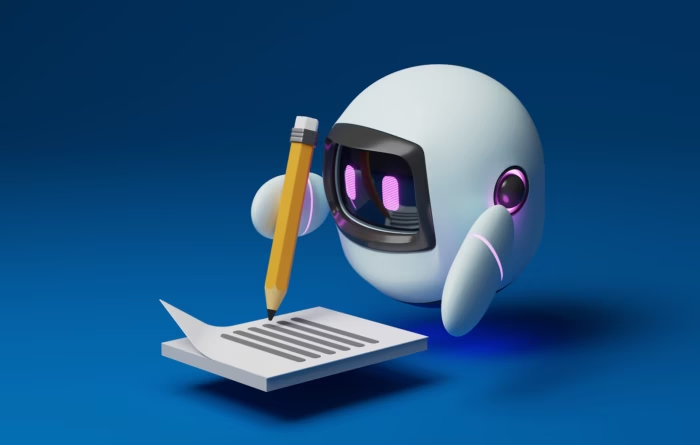
One area seeing particularly rapid growth is AI-assisted writing.
Professionals use these systems to draft presentations, rewrite emails and improve clarity in documents. Students and marketers increasingly rely on smart editing platforms capable of adapting tone and restructuring text more naturally.
Some users also turn to tools such as a paraphrasing tool to rework existing content, simplify complex writing or generate alternative phrasing for professional communication.
As language models improve, these writing assistants are becoming far more conversational and context-aware than earlier automated systems.
Productivity culture is entering a new phase
The rise of AI is also reshaping modern productivity culture.
For years, digital productivity revolved around time management apps, scheduling tools and collaborative software. Now AI is starting to automate many of the cognitive tasks behind those systems.
Instead of simply organising information, newer platforms actively process and interpret it.
Meeting assistants can already generate summaries automatically. AI-powered project management systems identify deadlines and suggest priorities. Some platforms can even anticipate workflow bottlenecks before they happen.
This evolution is changing expectations around workplace efficiency, particularly in remote and hybrid work environments where automation has become increasingly valuable.
AI is changing how people communicate online

Communication habits are also evolving alongside AI adoption. Many users now interact with automated systems daily without giving it much thought. Customer support chats, recommendation engines and even social media moderation increasingly rely on artificial intelligence to manage conversations more efficiently.
Voice driven AI systems are becoming more common as well. Recent workplace trends show that some professionals are replacing traditional typing with AI assisted voice dictation tools that can structure spoken thoughts into polished text.
Several factors are pushing this shift forward:
- Faster communication during busy workdays
- Easier content creation for people managing multiple platforms
- Improved accessibility for users who struggle with traditional typing
- More natural interaction with digital systems
At the same time, many users are becoming more cautious about how much automation shapes online interactions. Concerns around authenticity, privacy and digital overload continue growing as AI generated communication becomes harder to identify.
Why people are becoming more aware of AI-generated content
As AI-generated text, images and videos become more realistic, public awareness around authenticity is growing as well.
Many internet users now encounter synthetic content daily, often without immediately realising it. Social media posts, marketing copy, customer service interactions and even news summaries are increasingly shaped by generative AI systems.
This has led to wider conversations around transparency, originality and digital trust.
Educational institutions, publishers and businesses are beginning to establish policies regarding AI-assisted content creation, while technology companies continue developing systems designed to identify or label machine-generated material.
Wellness apps are becoming smarter and more personalised
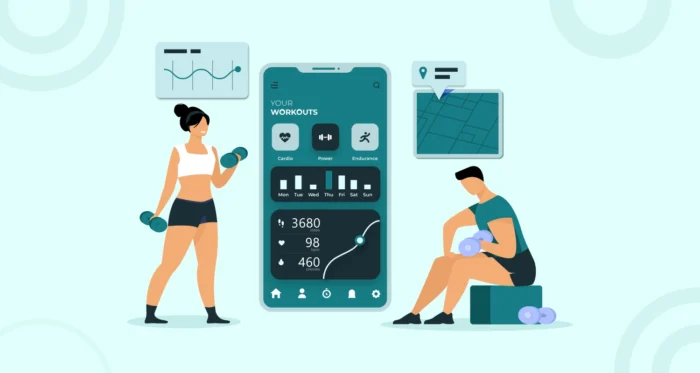
Another area experiencing rapid transformation is digital wellness. AI driven health and wellness applications are no longer limited to step tracking or calorie counting. Many platforms now analyse behavioural patterns to provide more tailored support for sleep, stress management and physical recovery.
Modern wellness tools increasingly include features such as:
- Personalised fitness recommendations based on user habits
- Guided meditation and journaling prompts
- Sleep tracking with behavioural insights
- Emotional wellbeing check ins through conversational AI
- Adaptive health suggestions connected to wearable devices
Research also suggests that users are becoming more comfortable relying on AI for wellness related guidance. Surveys indicate growing trust in AI powered tools for organising exercise routines, meal planning and mental wellness support.
Some AI systems have even started introducing reminders encouraging healthier work habits, including breaks, hydration and sleep recommendations during extended digital sessions.
Wellness, work and entertainment are becoming interconnected

Perhaps the most significant change is how AI is blending together areas of life that once felt separate.
Work tools now overlap with wellness apps. Entertainment platforms integrate productivity features. Personal assistants increasingly manage both professional and lifestyle-related tasks simultaneously.
For many users, AI is gradually becoming a permanent layer within everyday digital experiences rather than a standalone technology.
While concerns surrounding privacy, misinformation and overreliance on automation remain valid, there is little doubt that artificial intelligence is already reshaping how people navigate modern life.
And as AI systems continue evolving, the line between human decision-making and automated assistance may become even more difficult to separate in the years ahead.


