The realm of eye care has witnessed extraordinary transformations over the decades, evolving from rudimentary checks to sophisticated diagnostic tools that promise unparalleled accuracy and efficiency.
Historically, ocular exams primarily relied on simple visual acuity tests conducted in dimly lit rooms.
However, the digital revolution has ushered in a plethora of advanced technologies that not only expedite the diagnostic process but also enhance the quality of care that patients receive.
For instance, the advent of Optical Coherence Tomography (OCT) allows eye care professionals to visualize the retina in unprecedented detail, enabling earlier detection of conditions such as glaucoma and macular degeneration. Complementing these advancements, automated visual field testers can quickly assess a patient’s peripheral vision, thereby reducing the time taken for comprehensive exams significantly. As we look towards the future, Artificial Intelligence (AI) stands at the forefront of diagnostic innovations, capable of analyzing images and data at lightning speed, thus making eye examinations both more precise and accessible.
Innovative Treatments ─ How AI is Transforming Vision Care
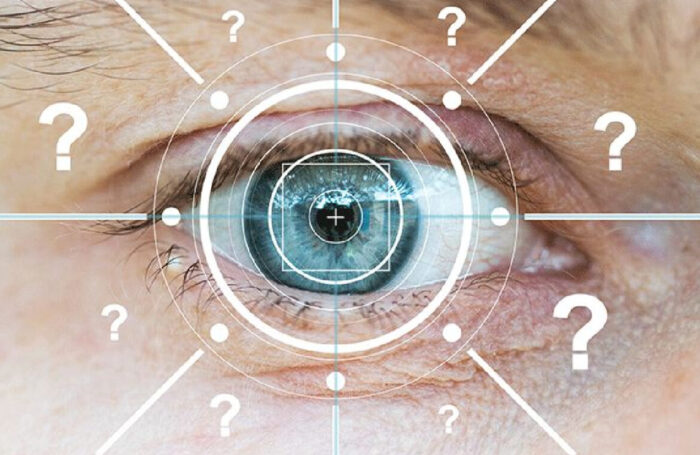
The integration of Artificial Intelligence in eye care is not just limited to diagnostics; it is revolutionizing treatment protocols as well. AI algorithms can analyze vast databases of ocular health records and treatment outcomes, enabling clinicians to tailor treatments based on individual patient profiles. With machine learning models predicting potential complications and suggesting optimal treatment plans, healthcare providers can offer personalized care that is both effective and timely.
Moreover, therapeutic AI tools are developing at a rapid pace, aiding in the management of conditions such as diabetic retinopathy and age-related macular degeneration. For example, AI-driven apps can assist patients in monitoring their symptoms through regular assessments, while facilitating real-time communication with their eye care specialists. With these strides, the future of eye care is poised to not only enhance patient outcomes but also foster a more interactive and engaging healthcare experience.
Telemedicine in Eye Care ─ Convenience Meets Medical Expertise
The COVID-19 pandemic brought telemedicine into the mainstream, and its benefits for eye care are becoming increasingly evident. Teleconsultation enables patients to access eye care from the comfort and safety of their homes, eliminating barriers related to transportation and time constraints. Through secure video calls, eye care professionals can evaluate patients, provide diagnostic recommendations, and monitor existing conditions, all while maintaining the rigorous standards of care.
Additionally, telemedicine platforms have become instrumental in conducting preliminary assessments. Patients can upload images of their eyes or symptoms, which can be analyzed remotely by specialists. This method not only accelerates the process of obtaining an eye care consultation but also ensures that patients receive timely advice, particularly those in rural or underserved areas. As we continue to embrace digital health solutions, the integration of telemedicine into eye care promises to enhance accessibility and efficiency, reshaping the landscape of ocular health indefinitely.
Understanding Common Eye Conditions ─ Knowledge is Power
Exploring the Impact of Digital Eye Strain in Our Modern Life
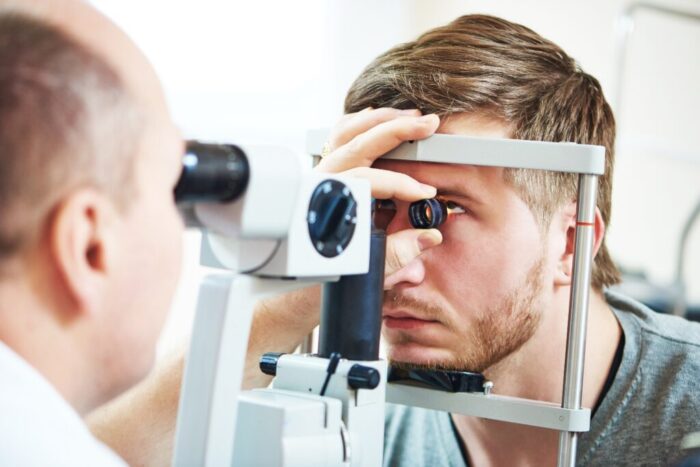
Digital Eye Strain (DES), also referred to as computer vision syndrome, represents an increasingly prevalent concern in contemporary society, as our reliance on screens intensifies. With professionals and students spending hours glued to monitors, tablets, and smartphones, symptoms such as eye fatigue, blurred vision, and headaches have become commonplace. But what exactly contributes to this phenomenon?
The primary factors at play include prolonged screen time without adequate breaks, poor lighting conditions, and incorrect viewing distances. Moreover, the blue light emitted from digital devices has raised alarms regarding potential long-term damage to the retina and its correlation with disrupted sleep patterns. To address these issues, eye care professionals recommend the 20-20-20 rule: for every 20 minutes spent looking at a screen, one should look at something 20 feet away for at least 20 seconds. Alongside this, taking regular breaks, maintaining appropriate ergonomics, and using artificial tears can significantly mitigate the symptoms of Digital Eye Strain, paving the way for healthier visual habits in our digital world.
Debunking Myths ─ The Truth About Myopia and Hyperopia
Myopia (nearsightedness) and hyperopia (farsightedness) are two of the most common refractive errors impacting vision in both children and adults. However, misconceptions about these conditions can lead to confusion and potentially harmful practices. Contrary to popular belief, myopia is not solely instigated by excessive reading or screen time, but rather through a combination of genetic predisposition and environmental factors, including lack of outdoor exposure. Confounding myths around hyperopia also prevail, with many labeling it merely as age-related deterioration. In reality, individuals of all ages may experience hyperopia, which occurs due to a shorter-than-normal eyeball or an inadequately curved cornea.
Understanding these conditions is critical for effective management and treatment. Regular eye examinations can help detect refractive errors early, allowing timely interventions that could potentially improve overall quality of life. With options ranging from corrective lenses to surgical solutions such as LASIK, patients can be equipped with the knowledge necessary to make informed decisions regarding their vision correction journey.
Protecting Your Vision ─ The Dangers of UV Exposure
Ultraviolet (UV) radiation presents a significant risk to ocular health, yet it remains an often-overlooked factor in everyday eye care. Just as the skin is susceptible to sun damage, the eyes also require protection from harmful UV rays that can lead to conditions such as cataracts, macular degeneration, and even skin cancer around the eyelids.
The World Health Organization estimates that up to 20 percent of cataracts are attributable to UV exposure a substantial compromise to an otherwise preventable condition.
To safeguard against this danger, it is imperative to adopt sun-protective measures, such as wearing sunglasses with UV protection during outdoor activities and seeking shade, especially during peak sunlight hours. Additionally, incorporating wide-brimmed hats can further shield the eyes from direct exposure. By proactively addressing UV exposure, individuals can significantly reduce their risk of developing serious eye conditions, thereby enhancing the longevity of their vision.
Cutting-Edge Products ─ What’s New in Vision Wear?

Smart Glasses ─ The Future of Fashion Meets Functionality
Smart glasses represent a fascinating convergence of technology and eyewear fashion, offering augmented reality experiences that enrich both leisure and professional activities. With capabilities ranging from notifications and navigation to fitness tracking and hands-free assistance, these innovative glasses are redefining our interactions with the world.
Companies like Premier Vision are at the forefront of this movement, developing products that leverage sophisticated optics and display technology to create an immersive user experience.
The balance of form and function is paramount, as consumers demand lightweight, stylish designs without compromising performance. As manufacturers continue to innovate, smart glasses are likely to integrate more seamlessly with other devices, creating an interconnected ecosystem that maximizes user convenience.
Furthermore, advancements in battery life and user interface design will pave the way for mainstream adoption of smart glasses, setting the stage for a future where our vision is enhanced in ways previously thought unattainable.
Contact Lens Innovations ─ Comfort Meets Technology
Contact lenses have undergone a remarkable evolution, transforming from rigid gas permeable designs to the diverse array of soft lenses available today, including daily disposables, toric lenses for astigmatism, and multifocal options.
Recent advancements have led to the development of smart contact lenses embedded with sensors capable of monitoring intraocular pressure for glaucoma patients or tracking glucose levels for diabetic individuals. These innovations are not only redefining convenience but are also enhancing the quality of care that eye care professionals can offer.
Moreover, contact lenses now focus on comfort, with technologies that promote moisture retention and reduce dryness, a common complaint among users. The introduction of ‘breathable’ lenses allows for increased oxygen flow, minimizing potential complications, such as corneal hypoxia.
With ongoing research in this domain, the future of contact lenses promises even greater advancements, with the possibility of therapeutic lenses that can release medications directly into the eyes, providing a comprehensive solution for a range of ocular conditions.
The Rise of Blue Light Blocking Glasses ─ Are They Worth It?
Blue light blocking glasses have surged in popularity as consumers become more aware of the potential adverse effects of prolonged screen exposure on eye health. These glasses are designed to filter out a portion of the blue light emitted by digital devices, which is believed to contribute to Digital Eye Strain (DES) and disrupt sleep patterns. However, the efficacy of blue light blocking glasses continues to be a topic of debate among eye care professionals.
While some studies suggest that these glasses can alleviate symptoms of fatigue and discomfort associated with extensive screen time, others indicate that more research is needed to fully understand their benefits.
Importantly, individuals suffering from DES are encouraged to adopt holistic approaches, such as taking frequent breaks and ensuring proper lighting while working. Investing in blue light blocking glasses can be worthwhile for those experiencing discomfort, but it should be viewed as a complementary measure alongside other preventive strategies rather than a standalone solution.
Holistic Approaches to Eye Health ─ Beyond the Clinic

The Role of Nutrition ─ How Your Diet Affects Vision
Nutrition plays an indispensable role in maintaining optimal eye health and preventing degenerative conditions that can impair vision. A diet rich in antioxidants vitamins C and E, beta-carotene, and omega-3 fatty acids has been positively associated with reducing the risk of cataracts and age-related macular degeneration. Leafy greens like spinach and kale, along with brightly colored fruits and vegetables, provide essential nutrients that bolster the retina and improve overall ocular function.
Moreover, incorporating fish such as salmon, which is high in omega-3 fatty acids, can help maintain the integrity of the eye’s structural elements. Individuals should be mindful of hydration as well; insufficient water intake can lead to dryness and discomfort, exacerbating any existing conditions. Overall, adopting a balanced diet is not only instrumental in promoting eye health but also enhances general well-being, paving the way for a healthier lifestyle.
Mindfulness and Eye Care ─ Stress Relief Techniques for Better Sight
In a fast-paced world where stress has become an integral part of our daily lives, the connection between mental well-being and eye health is often underestimated. Psychological stress can manifest physically, leading to muscle tension in the eyes and exacerbating conditions such as dry eyes and blurriness. Emphasizing mindfulness practices, including meditation and deep-breathing exercises, can significantly reduce stress levels, thereby promoting improved eye function.
Simple mindfulness techniques such as focusing on your breath or practicing mindful observation are beneficial exercises that can be integrated into daily routines. Additionally, incorporating visual relaxation exercises throughout the day can help alleviate strain and tension. By cultivating a holistic approach that prioritizes both mental and ocular health, individuals can enjoy not just improved vision, but an enhanced quality of life overall.
Exercise Your Eyes ─ Fun Practices for Enhanced Vision Health
Engaging in simple eye exercises can be an enriching practice that not only combats fatigue but also promotes stronger ocular muscles and improved visual acuity. Techniques such as eye rolling, focusing on a near object and then a distant one, and utilizing the 20-20-20 rule mentioned earlier can serve as effective strategies to give your eyes a dynamic workout throughout the day.
As a more interactive approach, integrating activities such as playing vision-training games can enhance eye coordination and processing speed. These exercises not only infuse an element of fun into eye care but also remind individuals of the importance of maintaining vision health in a proactive manner. With consistency and commitment, integrating eye exercise routines into one’s lifestyle can cultivate a lasting impact, thereby ensuring eyes remain healthy for years to come.