
In today’s digital age, data security is a critical concern for individuals and organisations alike. As businesses grow increasingly reliant on electronic storage, vast amounts of sensitive information are held on devices such as hard drives, USBs, and servers.
Protecting this data is not just about preventing cyberattacks while the devices are in use; it also requires careful attention to what happens when these storage devices reach the end of their lifespan. Secure data destruction is therefore an essential practice, ensuring that confidential information cannot be recovered once hardware is retired.
Why Data Destruction Matters
Data breaches can have devastating consequences for businesses and individuals. For organisations, the exposure of customer records, financial documents, or trade secrets can result in legal liabilities, reputational damage, and regulatory fines. For individuals, a breach might mean identity theft, financial fraud, or the loss of personal privacy.
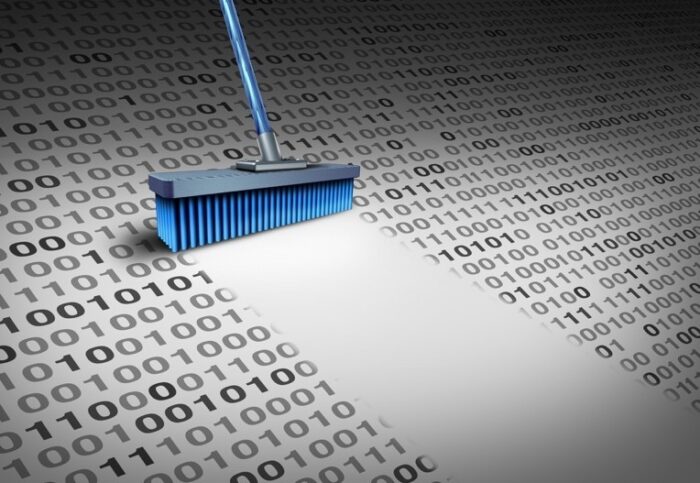
Simply deleting files or reformatting a hard drive is not sufficient, as advanced recovery tools can often retrieve supposedly erased information. Proper data destruction guarantees that once devices are disposed of, no sensitive data remains accessible.
Common Methods of Data Destruction
There are several approaches to securely eliminating information from storage devices, each with its own advantages and considerations.
Software-Based Wiping
This method uses specialised programmes to overwrite existing data with random sequences of numbers and characters. By repeating this process multiple times, the likelihood of data recovery is drastically reduced. While effective, this option can be time-consuming and requires functional devices.
Degaussing
Degaussing employs powerful magnetic fields to disrupt the magnetic domains within a hard drive, effectively rendering the data unreadable. Although it works well on older magnetic storage, it is less suitable for modern solid-state drives (SSDs).
Physical Destruction
One of the most reliable ways to ensure data is gone for good is to physically destroy the device. This can be achieved through methods such as crushing, disintegration, or shredding. By breaking the storage medium into tiny fragments, recovery becomes practically impossible.
The Role of Professional Services

Many organisations lack the tools, time, or expertise to carry out secure data destruction in-house. This is where professional services come in. Certified providers specialise in ensuring that sensitive information is eliminated in compliance with data protection regulations.
They use industrial-grade equipment, follow strict security protocols, and often provide certificates of destruction as proof for auditing and compliance purposes. For businesses handling large volumes of data, outsourcing destruction to trusted experts offers both peace of mind and regulatory protection.
Environmental Considerations
Secure disposal of electronic devices should not only focus on data security but also on environmental responsibility. E-waste contains materials that can be hazardous if not handled correctly, including heavy metals and chemicals.
Professional data destruction services often include environmentally friendly recycling processes, ensuring that destroyed hardware is processed responsibly. This approach prevents harmful materials from entering landfills while allowing valuable resources like metals to be recovered and reused.
Hard Drive Shredding as a Secure Option
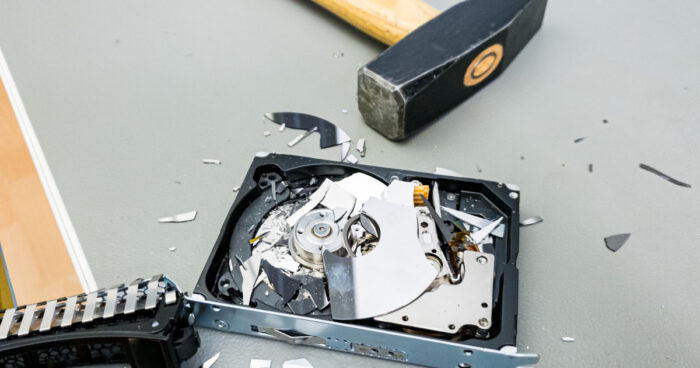
Among the various methods of data destruction, hard drive shredding stands out as one of the most effective and straightforward solutions. Industrial shredders are designed to break down drives into small, irreparable fragments, making data recovery virtually impossible.
This method is quick, reliable, and well-suited for businesses that need to dispose of large quantities of drives in a short period of time. It also offers a visible, tangible confirmation of destruction, which many organisations find reassuring.
Choosing to use hard drive shredding services ensures that confidential information is destroyed permanently while complying with relevant regulations. This approach also provides the added benefit of environmentally responsible disposal, as shredded materials can then be sent for safe recycling. Whether for corporations managing sensitive client data or individuals safeguarding personal records, this method offers one of the most secure options available.
Conclusion
Secure data destruction is a fundamental part of modern information security. Simply deleting files or reformatting storage devices is no longer sufficient in an era where data recovery technologies are highly advanced.
By turning to trusted methods such as wiping, degaussing, or physical destruction, organisations and individuals can protect themselves from the risks of data breaches. Professional services further enhance this process, ensuring compliance with regulations and incorporating eco-friendly disposal practices.
As storage technology continues to evolve, so too must our strategies for safeguarding information. Hard drive shredding remains a reliable, effective, and environmentally conscious solution for ensuring that once a device is retired, the data it once held is gone for good.
Looking ahead, the importance of secure data destruction will only continue to grow as technology becomes even more embedded in every aspect of daily life and business operations. With the increasing use of cloud storage, IoT devices, and artificial intelligence, sensitive data is being generated and stored at an unprecedented rate.
This means that the volume of information requiring proper disposal will also rise, making secure destruction practices an essential part of every organisation’s cybersecurity strategy.
Moreover, as regulatory frameworks such as GDPR, HIPAA, and other data protection laws evolve, the legal responsibilities surrounding data disposal are becoming more stringent. Non-compliance can lead to severe penalties, reputational damage, and loss of customer trust.
By proactively implementing secure destruction policies, companies demonstrate accountability and a strong commitment to data privacy, which can become a significant competitive advantage.
It is also vital to integrate secure destruction into a broader data lifecycle management plan. From the moment data is created to the point it is no longer needed, organisations should have clear procedures in place to protect it. Ultimately, secure data destruction is not just an IT concern — it is a cornerstone of responsible business practice and long-term digital resilience.