
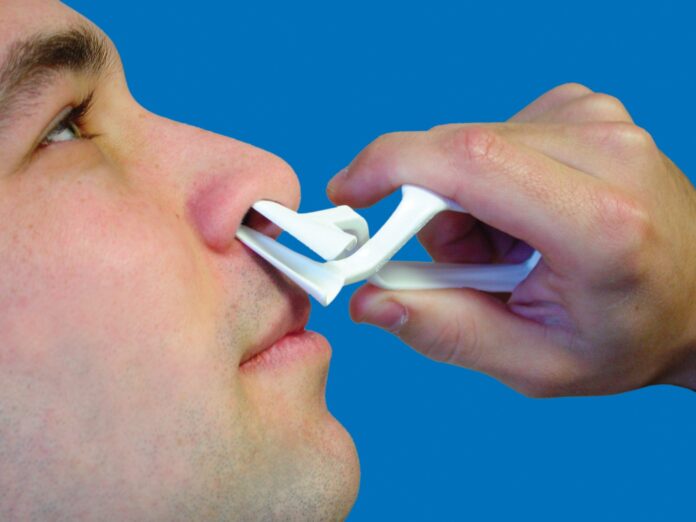
When patients visit a healthcare provider for nasal congestion, allergies, sinus pressure, or unexplained breathing difficulties, one simple tool often determines the accuracy of the diagnosis: the nasal speculum.
Although small and seemingly unremarkable, the nasal speculum plays a crucial role in modern healthcare by giving clinicians a clear view of the nasal cavity. This instrument opens the gateway to understanding a wide variety of conditions that would otherwise be hidden in the deep, narrow passages of the nose.
From primary care offices to specialized ENT clinics, the nasal speculum is an essential instrument that supports precise evaluation, early diagnosis, and effective treatment. Its design has evolved significantly over the years, yet its importance remains firmly rooted in the fundamentals of patient care.
Understanding how the nasal speculum works, why it is used, and how it continues to advance medical examinations offers valuable insight into a tool often underestimated in its impact on health outcomes.
Exploring the Nasal Cavity: Why Visual Access Matters

The nose is far more complex than its outward appearance suggests. Beneath the surface lies a detailed network of nasal passages, turbinates, mucous membranes, and sinuses.
These structures work together to filter air, protect the lungs, regulate humidity, and detect smells. However, because the cavity is narrow and partially hidden from view, examining it without proper instruments is nearly impossible.
A speculum solves that problem by gently widening the nostrils to allow direct visualization. This expanded view gives healthcare providers the ability to inspect the tissue lining, look for signs of inflammation or infection, and identify structural abnormalities.
Conditions such as deviated septums, polyps, chronic sinusitis, and foreign bodies cannot be accurately diagnosed without first seeing inside the nasal passages.
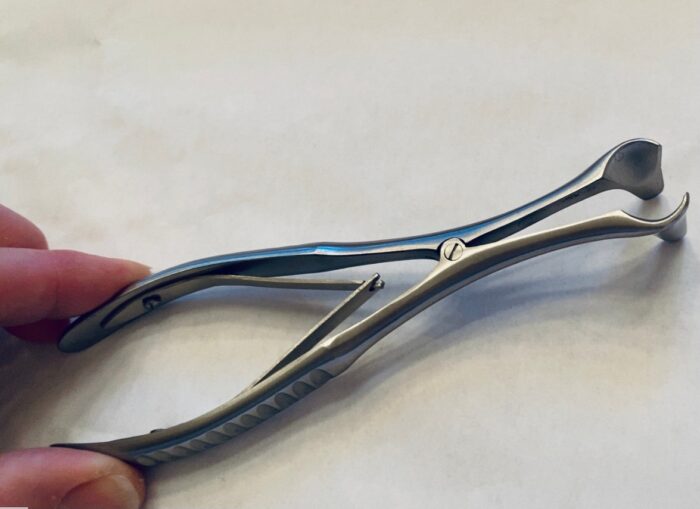
The nasal speculum is typically made of durable stainless steel or medical-grade plastic. It serves as a manual retractor that separates the vestibule and enables a clear, stable line of sight.
For clinicians, this visibility is indispensable. For patients, it can mean the difference between living with chronic symptoms and receiving timely, effective treatment.
The Nasal Speculum as a Diagnostic Tool

While the primary function of a nasal speculum is to provide a clear view, its diagnostic importance goes much deeper.
The ability to see inside the cavity allows healthcare providers to identify subtle details that patients may not recognize or may not be visible externally.
Identifying Inflammation and Infection
Sinus infections and allergic reactions often make themselves known through changes in the mucosa. With a nasal speculum, clinicians can observe:
- Swelling
- Redness
- Excessive mucus
- Thickened membranes
- Visible drainage
These visual clues help determine whether symptoms stem from bacterial infection, allergies, or structural issues.
Detecting Structural Problems
A distorted septum, enlarged turbinates, or abnormal tissue growths can impede airflow and contribute to chronic congestion. The nasal speculum allows providers to assess these physical obstructions clearly, guiding treatment decisions such as medication changes or surgical referral.
Locating Foreign Bodies
Foreign objects lodged in the nasal passages are especially common in young children. The nasal speculum aids rapid identification, making it easier to remove the object safely and reduce the risk of respiratory complications.
By enabling a detailed view of the internal environment, the nasal speculum serves as a critical link between symptoms and proper diagnosis.
When Healthcare Providers Rely on a Nasal Speculum
This tool appears in a wide range of medical settings. Its versatility makes it a standard instrument across specialties.
Primary Care and Family Medicine
General practitioners use nasal specula to evaluate patients who present with congestion, unexplained nosebleeds, sinus pressure, or persistent discharge. Early detection of issues at the primary care level can prevent complications and reduce the need for specialty referrals.
Otolaryngology (ENT Specialists)
ENT doctors rely heavily on the nasal speculum for comprehensive examinations. They use it to assess structural irregularities, evaluate chronic sinus disorders, and prepare for more advanced procedures such as endoscopy.
Emergency Departments
Emergency physicians use nasal specula when patients arrive with trauma, obstruction, or acute breathing problems. The tool allows rapid identification of injuries or foreign bodies, which is essential in time-sensitive situations.
Pediatrics
Children often struggle to describe symptoms clearly, and their smaller anatomy makes visualization challenging. A nasal speculum helps pediatric clinicians gather essential information without invasive procedures.
Regardless of the clinical setting, the speculum remains a critical tool that guides accurate, efficient patient care.
What Patients Can Expect During an Examination
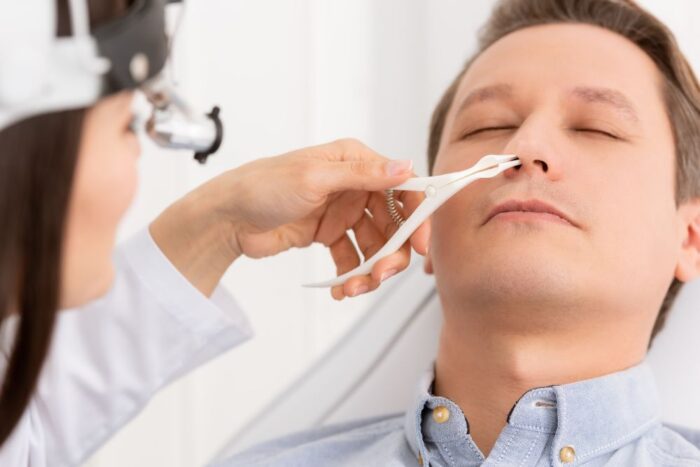
For many patients, the idea of a nasal examination can be intimidating. Understanding the process helps reduce anxiety and encourages smoother cooperation.
A typical exam using a nasal speculum includes the following steps:
1. Explanation of the Procedure
The clinician begins by explaining why the nasal speculum is needed and what the patient can expect during the examination.
2. Comfortable Positioning
Patients are usually seated, often with their head slightly tilted back to help the provider gain a clear view.
3. Gentle Insertion
The nasal speculum is inserted gently into one nostril. Providers take care to avoid pressure on sensitive tissue.
4. Controlled Opening
The clinician slowly widens the blades of the speculum. Most patients feel mild pressure, but not pain.
5. Visual Inspection
Using both natural and artificial light, the provider examines the nasal cavity, looking for abnormalities, drainage, swelling, or signs of infection.
6. Discussion of Findings
After the examination, the clinician describes their observations and outlines any recommended next steps.
For patients undergoing follow-up visits, this process provides reassurance and helps monitor the progress of ongoing treatments.
The Evolution of the Speculum: From Basic Tool to Modern Innovation
Like many medical instruments, the nasal speculum has come a long way since its earliest designs. Early models were rudimentary metal tools with limited adjustability. Today’s versions incorporate ergonomic design, improved materials, and advanced lighting.
Traditional Stainless Steel Specula
These durable instruments remain popular because they offer precise control, withstand sterilization, and allow repeated use.
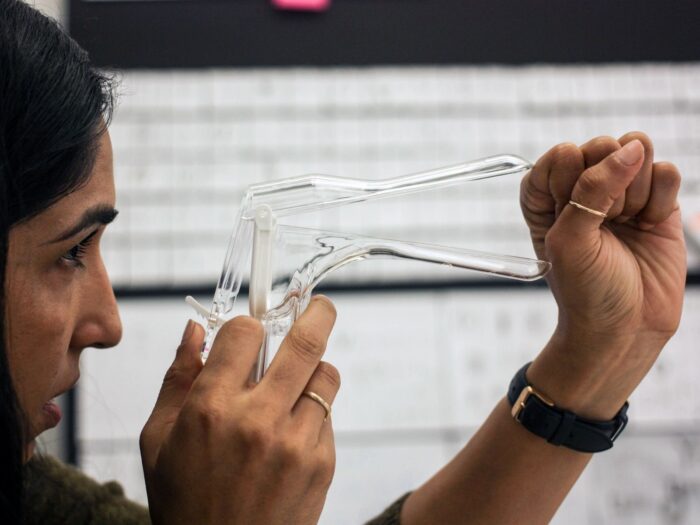
Disposable Plastic Specula
Single-use models have become increasingly common in busy clinics. They reduce the risk of cross-contamination and offer a sanitary option for high-volume practices.
Illuminated Nasal Specula
Modern versions include built-in LED lighting, giving clinicians improved visibility during examinations. This advancement is especially helpful in detecting small lesions or detailed mucosal changes.
Ergonomic Enhancements
Many designs now include features such as:
- Rounded edges
- Soft or flexible grips
- Multiple sizes for varied anatomy
- Smooth surfaces
These improvements help reduce patient discomfort while supporting precision for the clinician.
As medicine advances, tools like the nasal speculum continue to evolve, enhancing both functionality and patient experience.
Comfort and Patient Experience: Designing for Better Care

Comfort plays a significant role in the overall patient journey. Nasal examinations can feel intrusive, which is why the design of the nasal speculum matters.
Manufacturers focus on minimizing discomfort in several ways:
- Smooth, rounded blades prevent unnecessary friction.
- Different size options accommodate diverse nasal anatomies.
- Lightweight, flexible materials help reduce pressure.
- Innovative models allow simultaneous use of suction or instruments through built-in channels.
These improvements allow healthcare providers to perform thorough examinations while maintaining patient trust and comfort.
Beyond Clinical Use: How the Nasal Speculum Supports Education and Research
The nasal speculum is not just a clinical tool. It also supports medical education and research in meaningful ways.
Training Future Physicians
Medical students and residents learn how to use the nasal speculum early in their training. Practical sessions teach them:
- Proper technique
- Patient communication
- Interpretation of findings
Simulation labs and practice models help them develop proficiency before examining real patients.
Supporting Clinical Research
Researchers use nasal specula to collect samples, observe anatomical changes, and monitor treatment outcomes in studies related to:
- Sinus disease
- Chronic rhinitis
- Nasal allergies
- Environmental exposure
- Drug efficacy
Accurate data collection depends on the visibility and access provided by this simple but essential tool.
Conclusion: A Small Tool With Powerful Impact
The nasal speculum may appear modest, but its significance in healthcare cannot be overstated. It makes hidden structures visible, supports accurate diagnosis, and enables clinicians to provide timely and effective treatments. Its evolving design continues to enhance both patient comfort and clinical precision.
By understanding the importance of the nasal speculum, patients and providers alike gain greater appreciation for the fundamental tools that support everyday medical care. Whether in the hands of a family physician, a pediatrician, or an ENT specialist, the nasal speculum remains a trusted instrument at the heart of nasal health and respiratory well-being.