The roadways that serve Newark Liberty International Airport can be confusing. Detours, unfamiliarity with signs or the wrong turn can make a routine airport drive difficult. Now that redevelopment projects are set to change these roadways, the new arrangement could have an impact on getting in or out the car, returning the rental vehicle and adjusting to new conditions. These changes can present some safety concerns for unfamiliar visitors.
Changes to Airport Access

When projects alter an airport, changes to roadway access can occur. Alterations can impact access to airports, entrances to different sections of an airport and the direction of lanes on connecting roadways that lead into or come out of the airport.
For rental car drivers, the location of an entrance can determine how they handle their rental car return. A driver accustomed to accessing the airport on a certain road or approaching a rental return on a specific angle will have to take another route if that road or lane is removed or altered. Even with the presence of guiding road signs, motorists who are new to these conditions can miss this information and access the airport on the wrong roadway before realizing it. These traffic disruptions can also slow surrounding motorists and cause accidents.
When multiple drivers see a detour, some will take the time to read and process traffic signs informing drivers of the new conditions. Others attempt to access the detour or cut through a section without reading or understanding the new changes.
If someone cuts through a section of the roadway or abruptly takes a wrong turn, those around them must balance the need to continue forward without stopping as well as avoid sideswiping other cars or slowing traffic. The most dangerous reaction occurs when the driver must abruptly brake their vehicle due to an obstruction and risk being rear-ended by the vehicle behind them.
The best safety measure that can be taken is for motorists to be informed of the new return entrance locations. The time needed for drivers to make turns as informed by signage ahead of time can give a margin of error when a driver attempts to navigate an unfamiliar turn. As convenient as it may seem to navigate using GPS, drivers should pay attention to posted traffic signs and avoid abruptly stopping or veering off the road when the directions fail to match the road they are on.
Unfamiliar Drivers and Traffic Flow

The traffic flow around an airport is a mix of new and old drivers. Many motorists are accustomed to driving around or within the proximity of an airport. Others are new, unfamiliar or otherwise unprepared to make certain driving decisions with the time given. A rental car driver faces even more of a challenge in the unfamiliar vehicle and with additional pressure to drive with the flow of other cars making their return.
Changes to the roadways access in and out of an airport can heighten the danger for all of these drivers. A repurposed intersection, altered turn or the change to where rental return vehicles access the airport will require these drivers to adjust to unfamiliar decisions. Even a few cars backing up slowly in an unfamiliar intersection can cause serious issues.
Traffic issues also arise when these new changes increase the demand to merge into certain lanes at certain points in the roadway. Some drivers will enter the airport driveway or connecting road ahead of others and have to merge with other returning cars. Others will enter the main road at an intersection, without the benefit of using an exclusive return lane. Without the opportunity to make gradual turns and merges, these situations can present dangers to both cars in a potential merging situation.
Predictable traffic and careful driving can prevent many of these incidents. Following other drivers with caution, making sure there are sufficient reaction times for drivers on either side or those behind and giving merging cars enough space will help every driver maintain a safe distance before initiating a turn or entering a new lane. Time should also be factored into trips and motorists should consider arriving earlier if the option is available or the necessity is greater. These opportunities for safer driving can eliminate the stress and hazard involved in last-minute traffic decisions at an unfamiliar place.
Accident Risks During the Transition
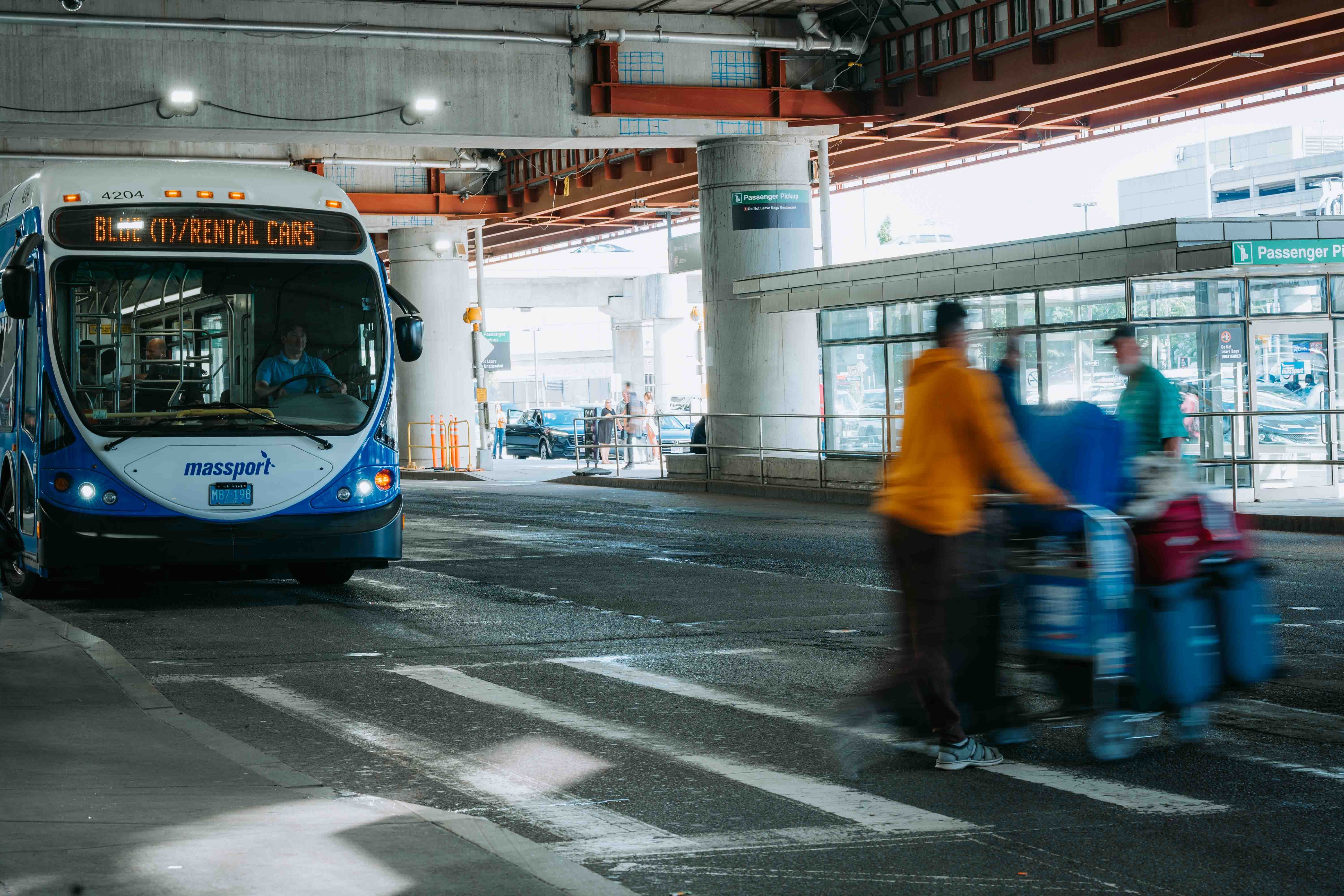
Many of the dangers associated with new roadways stem from the transition period. Drivers who arrive expecting certain road conditions may not be prepared to deal with altered traffic signs or new restrictions when the construction has moved on to another phase. Changes to roadways and new directions at new traffic lights or signs can create opportunities for sideswipe or rear-end collisions due to sudden braking. Motorists can also cause sideswipe and side-swinger collisions if the opportunity to make a turn is not taken soon enough or when drivers try to make a turn by crossing multiple lanes of traffic. Injuries can also occur anywhere where a pedestrian, airport worker or aircraft parking areas intersects with an access way during the transition. Those accidents might involve pedestrians, aircraft and vehicles or present issues because of the difficulty in distinguishing between vehicles waiting to pull into an off-airport or on-airport rental facility.
Determining responsibility after a collision requires examining the circumstances. Traffic camera footage, photographs, vehicle damage, and witness accounts may help establish how the crash occurred. If signs are unclear or a roadway design creates confusing traffic movements, those conditions may also warrant consideration. Newark car accident lawyers may examine these factors when evaluating how driver conduct, roadway conditions, and traffic controls contributed to a collision.
In cases of miscommunication or an unclear roadway instruction, these pieces of evidence should be submitted or received when discussing who is liable. A roadway that presents an unclear path of travel is not an excuse for reckless driving, but reckless driving should not be assumed due to roadway changes or poor signage. These details will become significant to anyone involved in a car accident with an attorney.
Preparing for a Safer Return
Rental car drivers can navigate safely by preparing additional time when making a rental return. Checking instructions, confirming arrival information, getting directions and navigating using additional measures of precaution for unfamiliar directions can present more options if the driver does not access these directions in time. Drivers on an airport property should follow posted signage rather than personal preferences based on information received previously or assuming that they know the way. If an entrance would be missed, arriving at the next available one to return the rental car is better than creating additional hazards on the road to attempt to gain entry to an inaccessible entrance.
Airports should ensure that appropriate traffic signs are in place and that roadways are clearly marked so that all cars that enter have the best opportunity to return at their appointed time. Creating appropriate conditions for entrances to access different parts of the airport will help to separate traffic so that vehicles going to different destinations can maintain a safe distance.
What the Changes Could Mean

Changes to the airport roadway network should make driving in and out of the airport safer and faster, but the impact depends on the specific alterations to certain roadways, the placement of new road signs and the adjustments needed to traffic flow. For a rental car return, entrances to the return facility, the visibility of direction clues and the presence of safe ways to navigate merging traffic will heighten or diminish certain risks. Clear road guidance and predictable traffic can reduce the chances of confusion and the dangers of last-minute merges and turns. All drivers can take advantage of new conditions in the time needed to navigate. Motorists who follow traffic guides and those planning to make a return with little time are at higher risk than those with options or a larger margin of safety.