
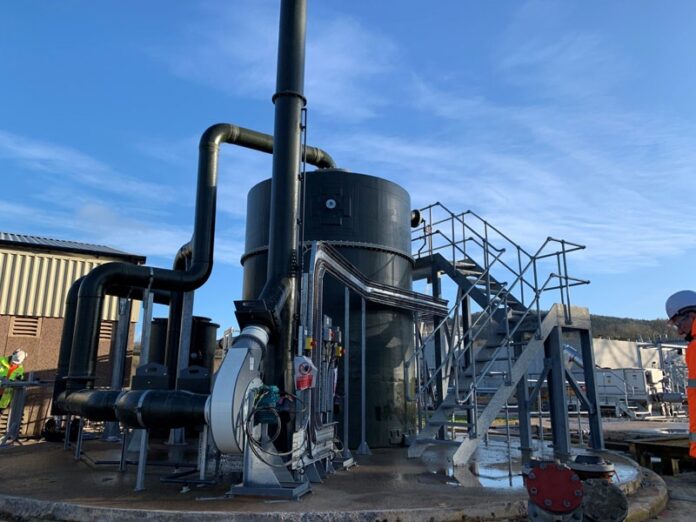
Biogas is one of the most important renewable energy sources in the UK’s transition to a low-carbon economy.
Produced through the anaerobic digestion of organic matter, biogas provides a sustainable alternative to fossil fuels while helping to recycle waste.
However, as beneficial as biogas production is, it comes with one persistent challenge—odour. Strong smells from feedstocks, digestate, and emissions can affect workers, local communities, and compliance with environmental standards.
That’s why effective odour control for biogas is vital. This article explores the sources of biogas odour, the importance of managing it, and the innovative technologies available to ensure cleaner, safer, and more sustainable energy production.
Understanding Biogas Production
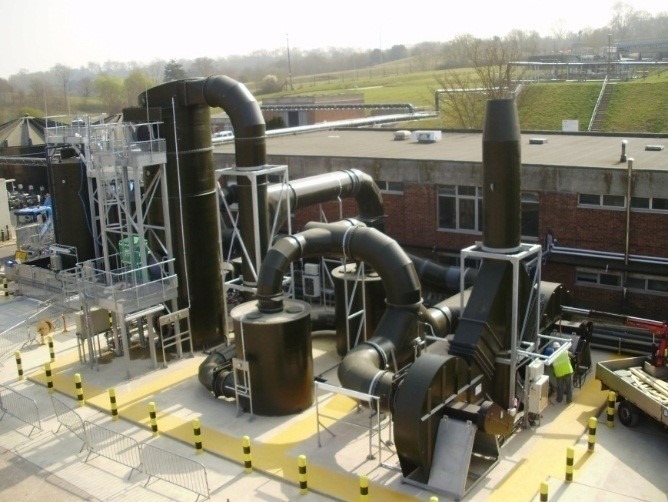
Biogas is created through the breakdown of organic material—such as food waste, slurry, agricultural residues, or sewage sludge—by microorganisms in an oxygen-free environment. The process generates:
- Biogas – A mixture of methane and carbon dioxide used to produce electricity, heat, or biomethane for the gas grid.
- Digestate – A nutrient-rich fertiliser that can be applied to farmland.
While the process has clear environmental benefits, the nature of the feedstocks and the gases produced often results in strong, unpleasant odours.
Sources of Odour in Biogas Plants
- Feedstock Delivery and Storage – Organic waste often releases odorous compounds before it even enters the digester.
- Digestion Tanks – Although sealed, leaks, vents, or pressure release valves can allow gases to escape.
- Digestate Handling – Storage or spreading of digestate can emit strong smells if not properly contained.
- Process Maintenance – Opening equipment for cleaning or repairs exposes concentrated odours.
Common odorous compounds include ammonia, hydrogen sulphide, and volatile organic compounds (VOCs), many of which are detectable at extremely low concentrations.
Why Odour Control is Essential
Protecting Communities
Uncontrolled odours can travel long distances and cause complaints from nearby residents, damaging relationships between operators and the public.
Worker Health and Safety
Odours are not just unpleasant—they can signal harmful gases like hydrogen sulphide, which is dangerous at high levels.
Regulatory Compliance
Environmental permits set strict limits on emissions. Effective odour management ensures plants remain compliant and avoid fines or restrictions.
Reputation and Growth
Biogas is a green energy solution. Poor odour management undermines its environmental credentials and can limit opportunities for expansion.
Methods of Odour Control for Biogas
Containment
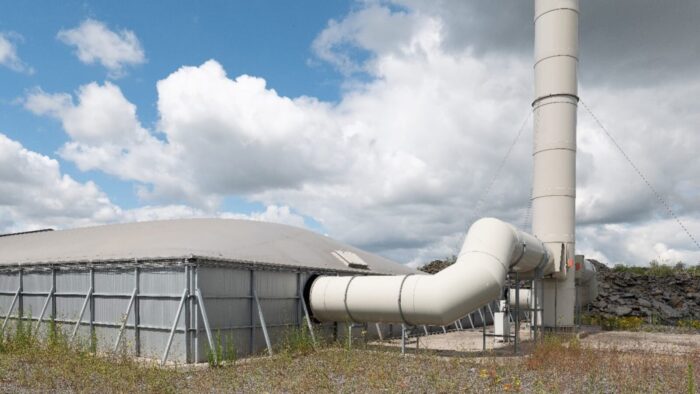
Keeping odours within sealed systems is the first step. This involves covered feedstock areas, closed tanks, and properly maintained seals.
Ventilation and Extraction
Specialised ventilation systems capture odorous air from storage areas and processing points, directing it into treatment systems.
Filtration and Treatment
Once extracted, odorous air must be treated. Key technologies include:
- Activated Carbon Filters – Highly effective at adsorbing VOCs, sulphur compounds, and other gases. Activated carbon systems are widely used for odour control in biogas facilities.
- Biofilters – Use naturally occurring microorganisms to break down odour compounds.
- Chemical Scrubbers – Neutralise odours with chemical solutions.
Process Optimisation
Controlling the balance of feedstocks, temperature, and pH in the digester can minimise odour generation at the source.
Routine Maintenance
Regular inspections of seals, tanks, and ventilation systems reduce the risk of leaks and unexpected emissions.
The Role of Activated Carbon in Biogas Odour Control
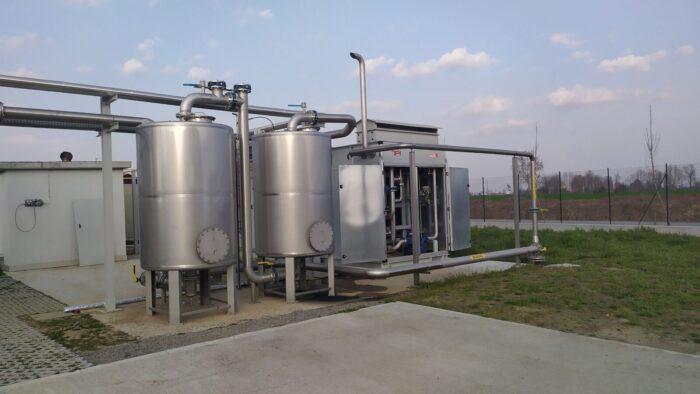
Activated carbon is one of the most effective solutions for biogas odour control.
Its porous structure provides an enormous surface area that traps and holds odorous molecules, including hydrogen sulphide and volatile organic compounds.
Benefits of activated carbon systems include:
- High removal efficiency for a wide range of gases.
- Compact design suitable for different plant sizes.
- Easy replacement of saturated carbon media.
- Reliable performance even under fluctuating operating conditions.
This makes it a preferred choice for many operators looking to combine cost-effectiveness with proven results.
Sustainability and Odour Management
Biogas is marketed as a clean, renewable energy. Odour problems risk undermining that image. By investing in effective odour control, operators protect the environmental integrity of their facilities.
Additionally, technologies such as activated carbon filtration not only reduce odours but also help capture harmful emissions, supporting broader sustainability and climate goals.
Challenges in Biogas Odour Control
- Varied Feedstocks – Different waste inputs create different odour profiles.
- Seasonal Changes – Temperature and humidity shifts can affect odour intensity.
- Scale of Operations – Large biogas plants require more sophisticated extraction and filtration systems.
- Costs – Installing and maintaining odour control systems requires investment, though the long-term benefits outweigh the costs.
Case Example: Odour Control Solutions from Exeon
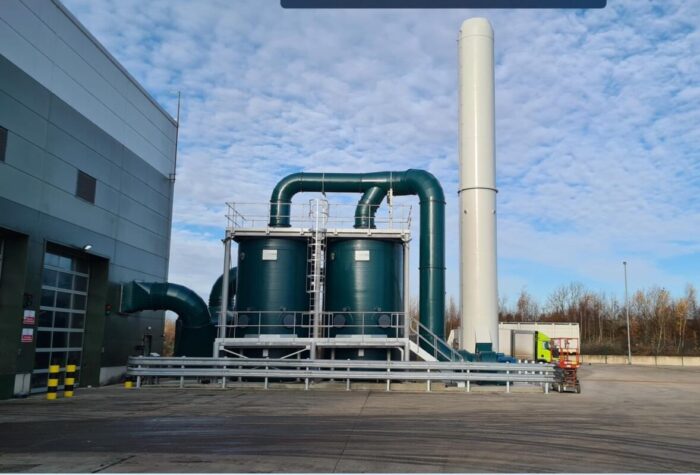
Companies such as Exeon specialise in designing and installing bespoke odour management systems for industrial applications, including biogas facilities.
Their expertise in extraction, ventilation, and filtration allows them to provide effective odour control for biogas that addresses the unique needs of each site.
Exeon’s systems often incorporate activated carbon air filters, designed to capture a wide spectrum of odorous compounds while providing a cost-efficient, reliable solution.
The Future of Odour Control in Biogas
As biogas production expands to meet renewable energy targets, odour management will become even more important. Emerging innovations are likely to include:
- Real-Time Monitoring – Sensors that detect odour levels instantly, allowing operators to act quickly.
- AI Optimisation – Artificial intelligence to predict and prevent odour events.
- Advanced Filtration Media – New generations of activated carbon and bio-based filters.
- Integrated Environmental Systems – Linking odour control with carbon reduction and energy recovery technologies.
Conclusion
Biogas offers a sustainable way to recycle waste and generate renewable energy, but odour management remains one of the key challenges to its success.
Effective odour control for biogas protects communities, ensures worker safety, maintains regulatory compliance, and safeguards the reputation of green energy.
With solutions such as activated carbon air filters, supported by expert providers like Exeon, operators can keep facilities clean, compliant, and efficient. By addressing odour proactively, biogas plants can focus on what they do best—delivering cleaner energy for a more sustainable future.