Water loss is one of the most common pool problems, yet it is also one of the most misunderstood.
A typical pool can lose some water naturally through evaporation, especially during hot or windy weather.
But when that loss becomes noticeable from day to day, it raises an important question. Is it normal, or is something wrong? Studies in pool maintenance estimate that leaks account for thousands of gallons of wasted water per pool each year.
Beyond the water bill, leaks can quietly damage structures, equipment, and surrounding soil. The tricky part is that many leaks stay hidden for a long time.
Knowing what to look for, how to test properly, and when to act can save significant time and money.
Why Pool Leaks Happen More Often Than People Think
Pool leaks rarely start as dramatic failures. Most begin small and develop gradually as materials age or shift.
Ground movement, temperature changes, and routine wear all contribute over time. Vinyl liners stretch and weaken. Plaster develops hairline cracks. Plumbing joints loosen underground where they are out of sight.
Another factor is that modern pools have more components than older designs.
Skimmers, returns, lights, heaters, and automatic cleaners all create additional connection points. Each opening is a potential leak source if seals fail.
In regions with freeze and thaw cycles, plumbing stress becomes even more common. A small crack formed in winter may not show obvious symptoms until swim season begins.
That is why leak detection often feels sudden even though the damage has been building quietly for months or even years.
Early Warning Signs That Should Never Be Ignored
Most pool leaks provide subtle clues before they become serious problems. Recognizing these signs early makes repairs simpler and far less expensive.
The key is consistency. One unusual observation might be harmless, but repeated patterns usually indicate trouble.
Common warning signs include:
- Water level dropping faster than evaporation would explain.
- Wet soil, soggy grass, or erosion near the pool shell.
- Air bubbles returning through jets during operation.
- Cracks forming around the pool deck or coping.
- Chemical levels that become difficult to stabilize.
A particularly telling sign is needing to refill the pool frequently without a clear reason.
If you notice that the water line drops to the same level every time, it often points directly to the height of the leak.
That visual clue can significantly narrow down the search area.
Professional Inspection and When to Call for Help
Some leaks are easy to locate with basic tests, but others require specialized tools and experience.
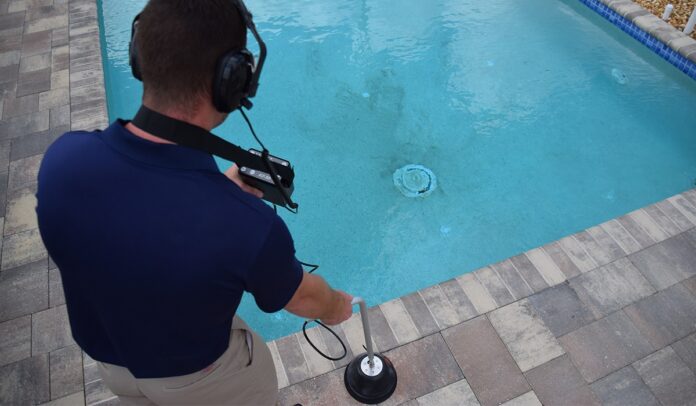
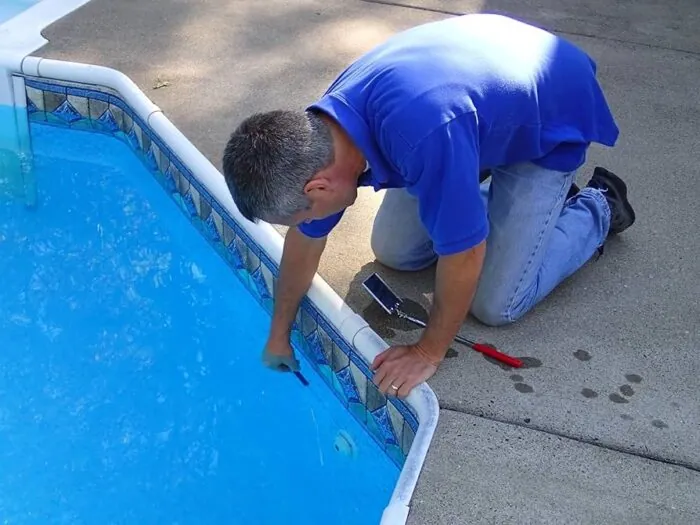
Professional services use pressure testing, acoustic listening devices, and underwater dye techniques to isolate leaks precisely without unnecessary digging.
Many homeowners turn to trusted providers like Dolphin Pool service when leaks persist or reappear after basic fixes.
Professional inspections help prevent guesswork and reduce the risk of damaging plumbing or pool surfaces during DIY attempts.
This is especially valuable for underground leaks where excavation mistakes can be costly.
Hiring professionals early often saves money in the long run. Instead of patching symptoms, a full diagnostic approach identifies the root cause and ensures repairs hold up over time rather than failing again within a season.
Simple At Home Tests to Confirm a Pool Leak
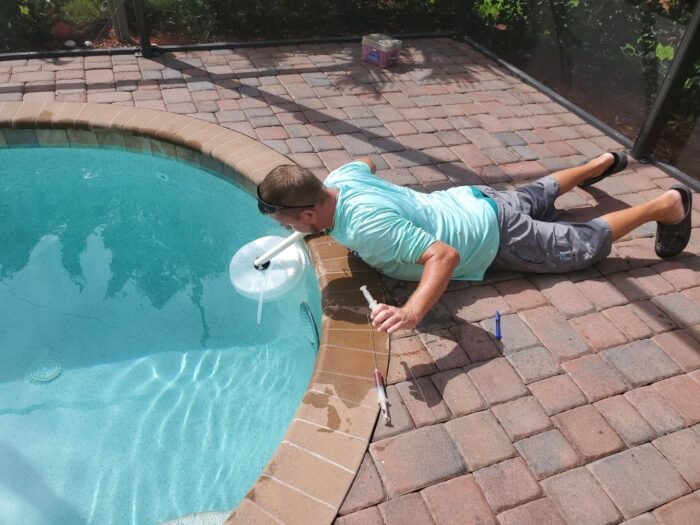
Before assuming the worst, several reliable tests can confirm whether a pool is leaking. These methods are inexpensive and easy to perform with basic tools.
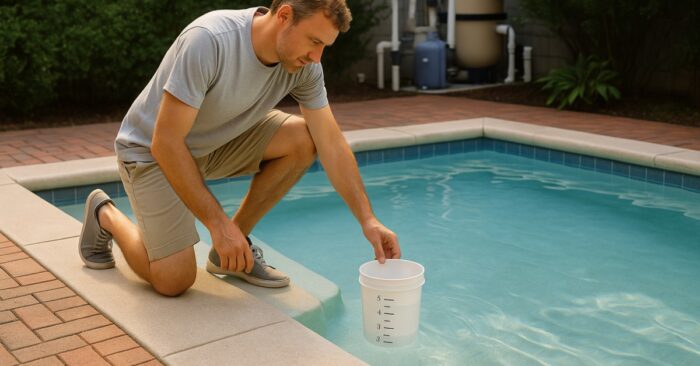
The most common is the bucket test, which compares water loss inside and outside the pool.
How the bucket test works:
- Fill a bucket with pool water and place it on a step.
- Mark the water level inside the bucket and on the pool wall.
- Turn off automatic fillers and pumps.
- Wait 24 hours and compare the drop.
If the pool level drops more than the bucket, a leak is likely present. Another useful method is dye testing near fittings and cracks.
When dye is drawn toward a specific spot, it reveals active water movement. These tests help narrow the problem area before moving on to repairs.
Common Leak Locations and What They Tell You
Understanding where leaks commonly occur helps prioritize inspection areas.
Most leaks fall into predictable categories, each with distinct symptoms.
Structural leaks tend to affect the shell, while plumbing leaks usually impact circulation behavior.
| Leak Location | Typical Symptoms | Risk Level |
| Skimmer throat | Water drops to skimmer bottom | Moderate |
| Return fittings | Bubbles in jets | Low to moderate |
| Pool lights | Water loss near light niche | Moderate |
| Main drain | Rapid water loss | High |
| Underground plumbing | Wet soil, unstable deck | High |
Leaks that stop when the water reaches a certain level often indicate structural openings.
Continuous loss regardless of level usually points to plumbing. Matching symptoms with locations saves time and helps avoid unnecessary repairs.
Repair Options From Simple Fixes to Structural Work
Not all leaks require major renovation. Many small issues can be resolved with targeted repairs if caught early.
Vinyl patch kits, underwater epoxy, and gasket replacements handle many minor leaks effectively.
These solutions are affordable and often extend pool life when applied correctly.
More serious leaks demand professional intervention. Plumbing repairs may involve pressure testing and selective excavation.
Structural cracks might require resurfacing or reinforcement depending on severity. In rare cases, full liner replacement becomes the best option.
A temporary fix that slows a leak without stopping it entirely often masks deeper issues.
Addressing the underlying cause ensures the repair lasts beyond a single swim season.
Choosing the right repair level depends on accurate diagnosis rather than the size of the visible damage alone.
Preventive Steps That Reduce Future Leak Risk
While no pool is leak proof forever, routine maintenance significantly reduces risk. Regular inspections catch small problems before they escalate.
Monitoring water level weekly provides early warning signs long before visible damage appears.
Helpful preventive habits include:
- Checking fittings and seals during filter cleanings.
- Avoiding sharp tools or objects near vinyl liners.
- Maintaining balanced water chemistry to prevent surface damage.
- Winterizing plumbing correctly in cold climates.
Scheduling professional inspections every few years is also a smart move, especially for older pools.
Preventive care costs far less than emergency repairs and keeps both water usage and maintenance stress under control.
Knowing When Repairs Are Worth the Investment
One of the hardest decisions pool owners face is whether to repair or replace. The answer depends on the leak type, pool age, and overall condition.
Minor plumbing leaks or surface cracks usually justify repair. Structural issues affecting the shell or foundation may require deeper evaluation.
A useful rule of thumb is this. If the repair restores long term reliability without repeated failures, it is worth pursuing.
If fixes become frequent and costly, replacement or major renovation may offer better value.
Leak detection is not just about stopping water loss. It protects property, controls costs, and preserves enjoyment.
Acting early, testing carefully, and choosing the right repair approach keeps small issues from becoming permanent problems.