For many local businesses, a website serves as the digital front door. It’s often the very first encounter a potential customer has with your brand—before they call, visit your store, or book your services. But the digital world moves quickly. Design trends shift, technology advances, and user expectations grow more sophisticated. Even a site that once looked sleek and professional can start to feel outdated or clunky.
A website redesign is far more than just a facelift. Done right, it’s a strategic upgrade that can improve how customers interact with your brand, increase traffic, and boost conversions. The key is to approach the process with clear objectives, the right research, and a structured plan. Below is a detailed guide to help you navigate every step with confidence.
1. Define Your Objectives From the Start

Before diving into colors, fonts, or layouts, take a step back and ask: Why do you want a redesign? Identifying your “why” will shape every choice you make. Your goals might include:
- Enhancing the overall user experience
- Improving mobile responsiveness
- Updating branding to reflect a modern identity
- Increasing sales or lead generation
- Strengthening search engine visibility
Write down your top priorities. This will keep the project focused and ensure every design element supports your end goals rather than being purely cosmetic.
2. Audit Your Current Website’s Performance
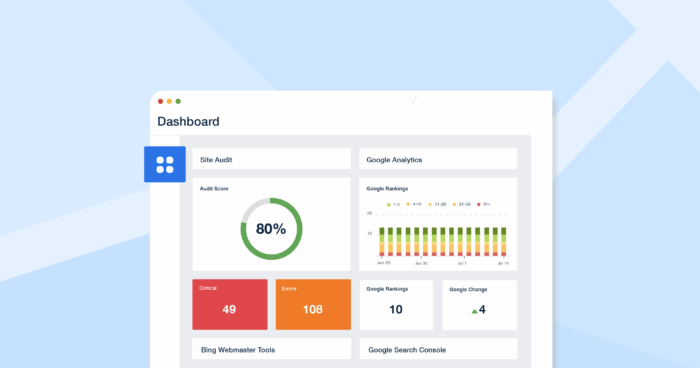
Before making changes, you need to know what’s working well—and what’s holding you back. A website audit is like a health check for your online presence.
Start by reviewing analytics data to see:
- Which pages attract the most visitors
- Where users tend to leave the site
- Bounce rates and time-on-page statistics
- Conversion performance for forms and calls-to-action
In addition to numbers, assess the quality and accuracy of your content. Outdated service descriptions, old staff photos, or broken links can diminish credibility. Understanding your current strengths and weaknesses ensures you preserve what works while improving what doesn’t.
3. Understand Your Target Audience Inside and Out
A successful redesign is built around the needs of your visitors—not just the preferences of the business owner. Take the time to define your ideal customer:
- Are they local, regional, or nationwide?
- Do they tend to browse on smartphones, tablets, or desktops?
- What pain points or needs bring them to your website?
The clearer your audience profile, the easier it becomes to design a user journey that feels intuitive, engaging, and persuasive.
4. Analyze Competitor Websites for Inspiration

Studying competitors is not about copying- it’s about identifying gaps and opportunities. Look at both direct competitors in your area and larger brands in your industry. Pay attention to:
- Site navigation and ease of use
- Content quality and depth
- Visual style and branding elements
- How calls-to-action are placed and phrased
This kind of analysis can spark ideas, highlight industry trends, and reveal ways to make your site stand out.
5. Build a Feature and Functionality Wishlist
A redesign is your chance to add capabilities that will serve your customers better. Consider which features could help you deliver value and convenience, such as:
- Mobile-first, responsive design
- Online scheduling or booking
- Integrated e-commerce functionality
- A searchable blog or resource center
- High-quality image or video galleries
- Live chat or chatbot support
Once you have your wishlist, prioritize the items based on budget, business goals, and ease of implementation.
6. Refresh and Organize Your Content
Design can grab attention, but content is what keeps visitors engaged. Use the redesign as an opportunity to update, refine, and reorganize your site’s copy and visuals.
- Rewrite service descriptions to be clear, concise, and persuasive
- Update staff bios and company history
- Add fresh, high-quality photos or videos
- Create strong, action-oriented calls-to-action
- Ensure all content is easy to skim and optimized for mobile reading
The better your content, the more your new design will shine.
7. Select the Right Web Design Partner

Even the best plan will fall short without the right team to execute it. Look for a partner who understands both your industry and your local market. The right agency will not just make your site look appealing—they’ll create a strategic, functional tool that supports your business objectives.
AVM Internet Solutions is one example of a web design company that works closely with local businesses to create modern, user-focused websites designed to convert. A skilled design partner will guide you from concept to launch, keeping the process smooth and collaborative.
8. Protect Your SEO During the Transition
If your current site ranks well in search engines, you don’t want to lose that momentum during a redesign. This requires careful planning:
- Maintain URL structures where possible
- Set up 301 redirects for any pages that change addresses
- Preserve high-performing content
- Optimize new pages with relevant keywords and metadata
- Submit an updated sitemap to search engines after launch
Neglecting SEO during a redesign can lead to traffic drops that take months to recover from.
9. Establish a Realistic Timeline and Budget
A website redesign isn’t something you can rush if you want quality results. Work with your designer to create a schedule that includes:
- Planning and goal-setting
- Wireframes and design mockups
- Content creation and revisions
- Development and coding
- Testing and quality assurance
- Final launch
Factor in potential delays, such as waiting for content approvals or gathering photography. Being realistic with your budget is equally important—view your redesign as a long-term investment in your brand’s growth.
10. Plan for Ongoing Updates After Launch
Your website launch isn’t the finish line—it’s the starting point for ongoing improvement. To keep your site effective, commit to:
- Regularly reviewing analytics for opportunities to improve
- Testing forms, shopping carts, and interactive features
- Posting fresh content to keep visitors engaged
- Running periodic SEO checkups
- Staying current with security updates and backups
The businesses that see the best results from a redesign are the ones that treat their site as a living, evolving marketing tool.
Final Thoughts
A well-planned website redesign can transform your online presence, attract more visitors, and convert them into loyal customers. The key is to approach the project strategically—understanding your audience, preserving what’s working, and building on it with fresh design, content, and features.
By following these steps, you’ll be well-positioned to create a site that’s not only visually appealing but also functional, user-friendly, and optimized for results. Your digital storefront should reflect the quality of your business—and a thoughtful redesign can ensure it does exactly that.