Alcohol abuse can be a challenging issue to confront, especially when it involves loved ones such as parents. Understanding the signs of alcohol abuse and knowing how to address the situation can be vital for both the individual struggling with addiction and their family members. This article aims to help you identify alcohol abuse among your parents and explore effective measures to combat this issue.
Recognising the Signs of Alcohol Abuse

Identifying alcohol abuse in parents can be difficult, as many individuals may hide their drinking habits or justify their behaviour. However, several key signs can indicate a problem:
Changes in Behaviour
One of the most noticeable signs of alcohol abuse is a change in behaviour. Parents may become more irritable, withdrawn, or secretive. They might also display mood swings or emotional instability, which can be confusing for family members.
Neglecting Responsibilities
If your parents begin to neglect their daily responsibilities, such as work, household chores, or caring for family members, it may be a sign of alcohol abuse. They might frequently miss work or social engagements and show a lack of interest in activities they once enjoyed.
Physical Symptoms
Alcohol abuse can manifest physically. Look for signs such as bloodshot eyes, slurred speech, or a noticeable smell of alcohol. Additionally, sudden weight loss or gain can also be indicative of a problem.
Social Isolation

If your parents start isolating themselves from friends and family, preferring to drink alone, it can be a significant red flag. Alcohol abuse often leads to a breakdown in social relationships, as individuals may prioritise drinking over spending time with loved ones.
Financial Issues
Frequent financial problems can also be a sign of alcohol abuse. If you notice unexplained expenses or a sudden lack of money, it may be worth investigating further. Alcohol addiction can lead to significant financial strain, as individuals may spend large amounts on alcohol or neglect their financial responsibilities.
According to the UK Government, around 1 in 5 adults in the UK regularly drink above the recommended guidelines, which can lead to various health issues, including addiction. This statistic highlights the prevalence of alcohol-related problems and the importance of awareness in recognising the signs of abuse.
Approaching the Issue
Once you have identified potential signs of alcohol abuse in your parents, the next step is to approach the issue sensitively. Here are some measures to consider:
1. Choose the Right Time and Place
Timing is crucial when discussing sensitive topics like alcohol abuse. Choose a calm, private setting where your parents feel comfortable. Avoid discussing the issue during moments of anger or when they are under the influence of alcohol.
2. Express Your Concerns
When you approach your parents, express your concerns without being accusatory. Use “I” statements to convey your feelings, such as “I’ve noticed you seem more withdrawn lately, and I’m worried about you.” This approach can help prevent defensiveness and encourage open dialogue.
3. Listen Actively
It’s essential to listen to your parents’ responses and feelings. They may not be aware of their behaviour or may feel ashamed about their drinking. Providing a safe space for them to express themselves can foster understanding and empathy.
4. Encourage Professional Help

If your parents acknowledge their drinking problem, encourage them to seek professional alcohol help. These services, such as counselling or support groups, can provide the necessary resources for recovery. You can offer to assist them in finding local support services or attending meetings together.
5. Be Supportive, Not Enabling
While it’s important to be supportive, it’s equally crucial not to enable their behaviour. Avoid making excuses for their drinking or covering up their mistakes. Instead, encourage healthier coping mechanisms and activities that do not revolve around alcohol.
Creating a Supportive Environment at Home
If your parent has acknowledged the issue and is ready to take steps towards reducing their alcohol intake, the home environment can play an important role in supporting that decision. Small changes can contribute to a calmer atmosphere and reduce triggers that might encourage drinking.
Encouraging healthy routines, such as regular meals, walks, or shared activities, can shift attention away from alcohol and towards more positive habits. These moments provide an opportunity for connection without confrontation. Many families find that simply spending time together in a relaxed setting creates a sense of normality and stability.
It can also be helpful to reduce stress within the household wherever possible. High-tension environments can worsen drinking patterns, so maintaining clear communication, predictable routines, and respectful interactions can make a genuine difference. This does not mean avoiding conflicts entirely, but addressing issues calmly when everyone is sober and emotionally steady.
When Professional Intervention Becomes Necessary
There may be moments when your parent is unwilling or unable to acknowledge the severity of their drinking. In such cases, professional intervention may be necessary. A GP, therapist, or addiction specialist can provide assessments and outline treatment options. Many families hesitate to take this step because it feels confrontational, but early intervention is often beneficial.
If the situation escalates to the point where your safety or the safety of others is at risk, seeking outside help becomes essential. Emergency services, social workers, or local helplines can offer immediate support and guidance.
Fostering Long-Term Recovery
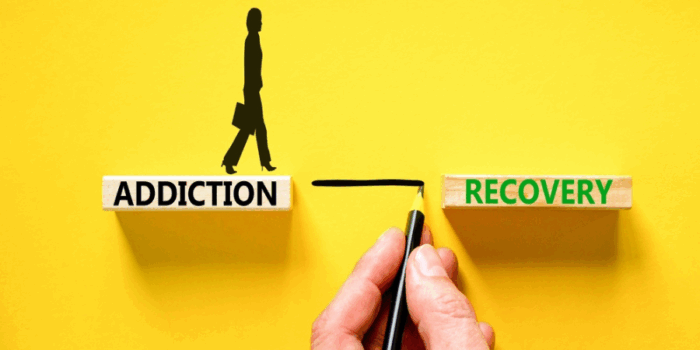
Recovery from alcohol abuse is rarely a straight line. There may be progress, followed by setbacks, and then progress again. Your role is not to control the outcome, but to encourage healthier choices and maintain supportive communication. Celebrate small achievements, such as attending a counselling session or completing a week without drinking. Acknowledging progress helps your parent stay motivated and reinforces the idea that improvement is possible.
Staying patient is vital. Change takes time, and resistance is common, even when someone genuinely wants to improve. By offering steady encouragement, respecting boundaries, and promoting professional support, you help create conditions that make long-term recovery more attainable.
Taking Care of Yourself
Caring for a parent struggling with alcohol abuse can be emotionally taxing. It’s vital to prioritise your well-being throughout this process. Consider seeking support for yourself, whether through friends, family, or professional counselling.
Establishing boundaries and recognising your limits will help you maintain a healthy relationship with your parents while navigating this challenging situation.
Identifying alcohol abuse among your parents can be a difficult and emotional journey. By recognising the signs and approaching the issue with care and compassion, you can play a crucial role in helping them seek the support they need.
Remember that recovery is a process that takes time, and your involvement can make a significant difference. By fostering open communication and encouraging professional help, you can contribute to a healthier family dynamic and support your parents on their path to recovery.