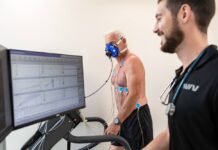

Rehabilitation is a multifaceted process that aims to restore individuals to their optimal health following injury, illness, or addiction. At its core, rehabilitation is not merely about physical recovery; it encompasses psychological, emotional, and social dimensions as well. This article explores the science behind rehabilitation, focusing on what happens to the body and brain during the recovery process, particularly in the context of alcohol rehabilitation.
Understanding Addiction and Its Impact
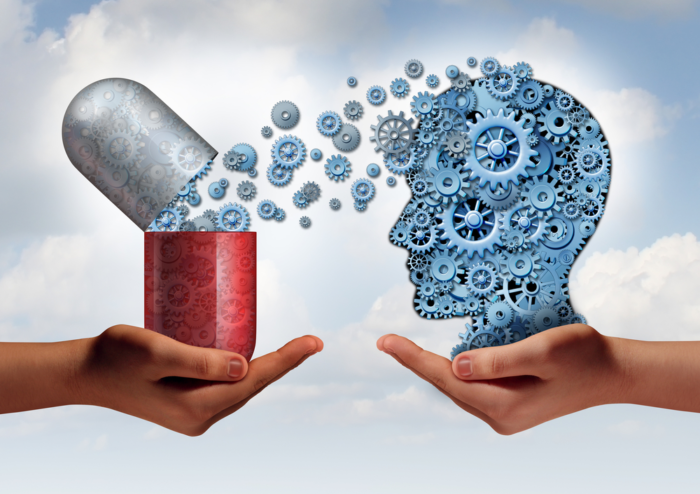
Alcohol addiction is a chronic disease that affects millions globally. According to Alcohol Change UK, approximately 25% Regularly drink over the Chief Medical Officers’ low-risk guidelines. This statistic underscores the importance of effective rehabilitation strategies. When an individual consumes alcohol, it affects neurotransmitters in the brain, particularly dopamine, which is responsible for feelings of pleasure and reward. Over time, the brain’s chemistry adjusts to the regular influx of alcohol, leading to tolerance and dependence.
The Rehabilitation Process
Rehabilitation typically involves a combination of medical treatment, psychological support, and lifestyle changes. The process begins with detoxification, where the body is allowed to clear itself of alcohol. This phase can be challenging, as withdrawal symptoms may manifest, including anxiety, tremors, and nausea. The severity of these symptoms often depends on the duration and intensity of alcohol use.
Physiological Changes
During detoxification, the body undergoes significant physiological changes. The liver, which plays a crucial role in metabolising alcohol, begins to heal. Chronic alcohol consumption can lead to liver diseases such as fatty liver, hepatitis, or cirrhosis. Once alcohol is removed from the system, the liver can start to regenerate, although this process can take time, especially in cases of severe damage.
Moreover, the brain begins to recover from the effects of alcohol. Studies have shown that abstaining from alcohol can lead to improvements in cognitive function and memory. For instance, research published in the journal Neuropsychopharmacology indicates that individuals who remain sober for six months can experience significant improvements in brain function, particularly in areas related to decision-making and impulse control.
Psychological Recovery
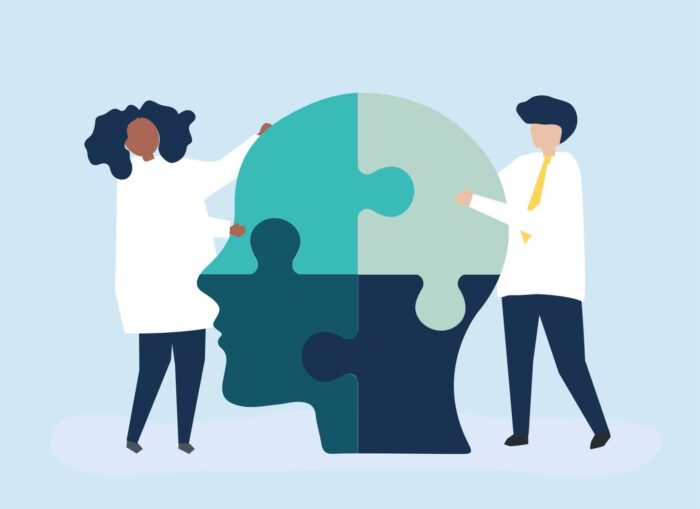
The psychological aspect of rehabilitation is equally crucial. Alcohol addiction often coexists with mental health issues such as depression and anxiety. Therefore, rehabilitation centres often employ a multidisciplinary approach, integrating therapy, counselling, and support groups. Cognitive-behavioural therapy (CBT) is a common method used to help individuals understand the triggers of their addiction and develop coping strategies.
The brain’s neuroplasticity plays a vital role in this recovery phase. Neuroplasticity refers to the brain’s ability to reorganise itself by forming new neural connections throughout life. This means that even after prolonged alcohol use, the brain can adapt and change, allowing for improved emotional regulation and reduced cravings over time.
The Role of Rehab

Alcohol rehabilitation centres focus on holistic approaches to recovery, incorporating elements such as nutrition, exercise, and mindfulness into their programmes. These clinics often emphasise the importance of a balanced diet in restoring physical health. Nutritional deficiencies are common in individuals with alcohol use disorders, as alcohol can interfere with the absorption of essential nutrients.
Furthermore, physical activity is known to have a positive impact on mental health. Exercise releases endorphins, which can alleviate feelings of depression and anxiety. Many rehabilitation centres offer structured physical activity programmes to support this aspect of recovery.
Mindfulness and meditation practices are also gaining traction in rehabilitation settings. These techniques can help individuals develop greater self-awareness and emotional regulation, reducing the likelihood of relapse. Research has shown that mindfulness-based interventions can significantly improve outcomes for individuals recovering from alcohol addiction.
A crucial element within modern rehab programmes is the re-establishment of daily routines. Addiction often disrupts sleep patterns, appetite, and personal organisation, leaving individuals without a stable structure to anchor their days. Rehabilitation programmes work to rebuild these routines in small, achievable steps.
Consistent mealtimes, scheduled therapeutic sessions, and predictable sleep hygiene practices help stabilise the nervous system and support emotional balance. Over time, these routines form the foundation for sustained sobriety, providing a sense of order during what can be a turbulent period of adjustment.
Another important aspect is social reintegration. Many people entering rehabilitation have strained relationships with family, friends, or colleagues due to the impact of addiction. Rehab programmes frequently incorporate family therapy sessions or guided communication workshops that allow individuals to rebuild healthy connections. These sessions aim to develop trust, repair communication patterns, and address unresolved emotional wounds. Strong social support networks have been repeatedly shown to improve long-term recovery outcomes, so creating space for constructive dialogue is an essential component of holistic care.
Rehabilitation centres also highlight the importance of relapse education. Instead of viewing relapse as a personal failure, many programmes teach individuals to recognise it as a potential part of the recovery continuum. Understanding the signs of emotional, mental, and physical relapse can empower individuals to step back, seek help, and recalibrate their strategies before a slip becomes a sustained return to alcohol use. Tools such as journaling, accountability partnerships, and regular self-assessments help individuals stay alert to changes in their behaviour or emotional state.

Workshops on stress management also form a central part of rehab. Stress is frequently cited as one of the primary triggers for relapse, so clinics teach practical methods such as deep-breathing exercises, progressive muscle relaxation, and grounding techniques. These skills help individuals manage overwhelming emotions without turning to substances for relief. When combined with ongoing therapy, they create a resilient coping framework that supports long-term stability.
Education about the science of addiction is another feature of many modern rehab centres. When individuals learn how alcohol affects neurotransmitters, decision-making pathways, and emotional regulation, they are better equipped to understand their own experiences. Knowledge about the biological mechanisms at play helps reduce stigma and self-blame, allowing individuals to approach recovery from a place of self-compassion rather than guilt.
Many rehab centres also offer vocational support, especially for individuals whose addiction has disrupted their employment or career progression. Through skills assessments, career counselling, and job placement assistance, rehabilitation programmes aim to rebuild not only health but also confidence and purpose. Having meaningful employment can significantly reduce the risk of relapse, providing structure, financial stability, and a sense of accomplishment.
Taken together, these components reveal how rehabilitation extends well beyond detoxification. It is an immersive, multi-layered process that supports every aspect of a person’s life, helping them rebuild physically, mentally, socially, and professionally.
Long-Term Recovery and Relapse Prevention

The journey of rehabilitation does not end with detoxification and initial recovery. Long-term recovery requires ongoing support and lifestyle changes. Aftercare programmes, often provided by rehab, play a crucial role in helping individuals maintain their sobriety. These programmes may include regular counselling sessions, support group meetings, and lifestyle coaching.
Statistics indicate that individuals who engage in aftercare programmes are significantly less likely to relapse. A study published in the Journal of Substance Abuse Treatment found that participants who attended aftercare services had a 50% lower risk of relapse compared to those who did not.
The science behind rehabilitation reveals a complex interplay between the body and brain during recovery from alcohol addiction. Understanding the physiological and psychological changes that occur can empower individuals on their journey to recovery. Alcohol detox centres play a vital role in this process, offering holistic approaches that address both physical health and mental well-being.
By fostering a supportive environment and promoting healthy lifestyle choices, these centres can significantly enhance the chances of long-term recovery, allowing individuals to reclaim their lives from the grips of addiction.