
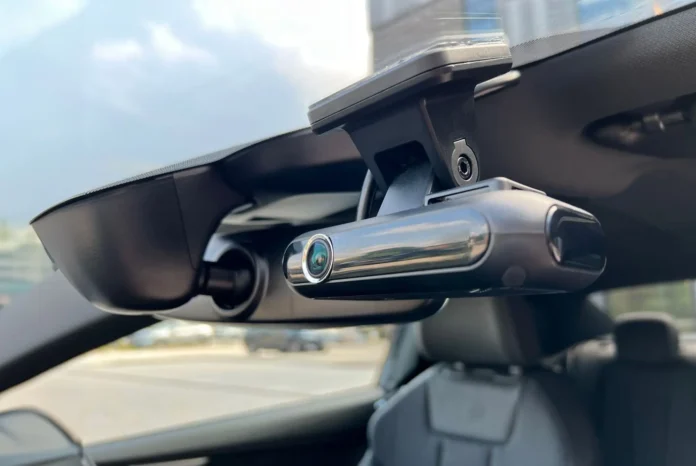
Managing a fleet brings a constant balancing act between keeping drivers safe, protecting company assets, and maintaining operational efficiency. One of the most effective tools available today is the fleet vehicle camera system. By combining high-quality video recording with real-time monitoring, these systems offer unparalleled visibility into vehicle operations. They not only help reduce accidents and false claims but also support compliance, driver training, and customer service.
What Are Fleet Vehicle Camera Systems?
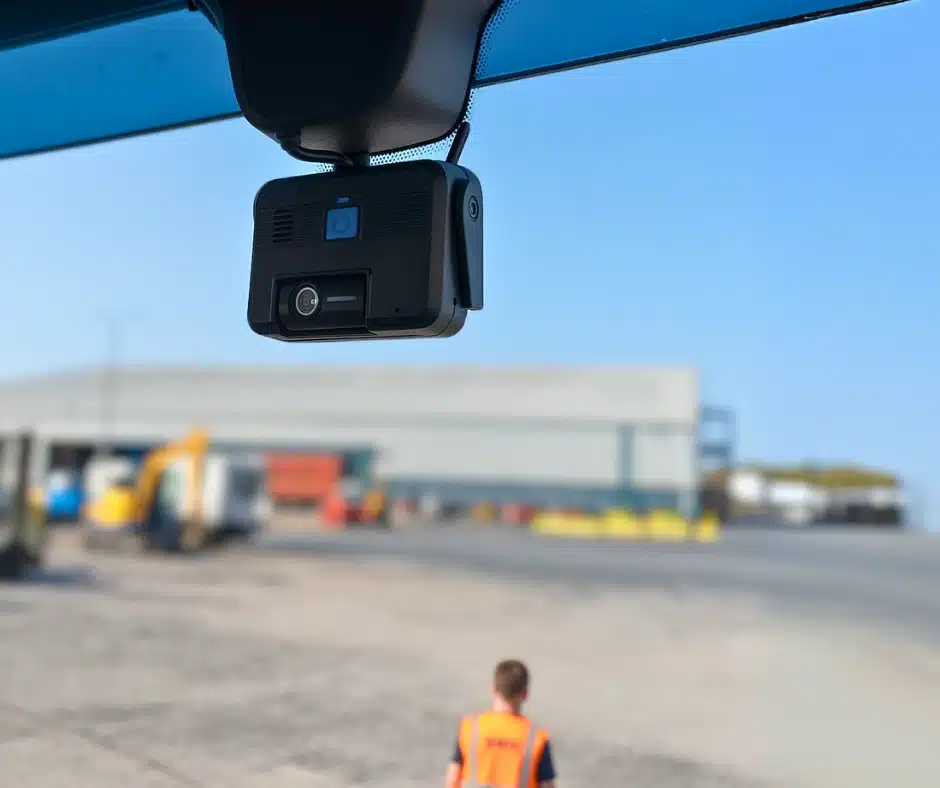
Fleet vehicle camera systems are advanced video monitoring setups installed in company vehicles. They can include forward-facing dashcams, driver-facing cameras, and additional cameras to monitor cargo areas or blind spots. Some systems also integrate with telematics and GPS tracking, allowing managers to view both video and location data in real time.
These cameras are designed to record continuously while the vehicle is in use, capturing critical moments that can be reviewed later for safety analysis, dispute resolution, or training purposes.
The Benefits of Fleet Vehicle Camera Systems
Improved Driver Safety
Driver safety is one of the most important aspects of fleet management. Cameras help encourage better driving behaviour simply by being present – drivers are more likely to follow road rules and company guidelines when they know their actions are being recorded.
Some systems feature AI-powered alerts that notify drivers in real time if they are distracted, tailgating, or showing signs of fatigue. This proactive approach helps prevent accidents before they happen.
Protecting Against False Claims
One of the most significant advantages of vehicle cameras is their ability to provide indisputable evidence in the event of a collision or incident. In many cases, video footage can quickly prove a driver’s innocence, protecting the company from costly claims and reputational damage.
Insurance disputes are resolved faster when clear, time-stamped footage is available. This often leads to lower claims costs and can even help reduce insurance premiums over time.
Monitoring Cargo and Assets
For companies transporting goods, especially high-value or sensitive cargo, cameras can be positioned to monitor loading, unloading, and in-transit handling. This footage ensures goods are treated properly and provides evidence if damage or theft occurs.
Enhanced Accountability
Fleet vehicle camera systems create a culture of accountability across the workforce. Drivers know that their driving habits, customer interactions, and vehicle usage are visible to management, encouraging more professional conduct and adherence to company policies.
Supporting Driver Training and Development
Video footage is a powerful training tool. Managers can review real-world driving scenarios to provide targeted coaching, highlight safe practices, and address risky behaviours. This leads to long-term improvements in driver performance and safety.
Integrating Cameras with Fleet Tracking

While cameras alone are valuable, pairing them with GPS fleet tracking systems delivers even greater benefits. When video evidence is matched with precise location and route data, managers can fully understand the circumstances around an incident or behaviour.
For example, if harsh braking is detected, managers can view both the video and GPS data to see whether it was caused by driver error, road conditions, or another vehicle cutting in. This context ensures fair assessments and informed decision-making.
Cost Savings Through Fleet Camera Systems
Although investing in camera systems requires an upfront cost, the long-term savings can be substantial.
- Lower insurance costs – Insurers often offer reduced premiums for fleets with camera systems due to the reduced risk and faster claims resolution.
- Fewer accident-related expenses – Proactive safety measures and clear evidence help avoid costly payouts and repairs.
- Reduced downtime – Quicker claims resolution means vehicles can get back on the road faster, maintaining productivity.
Building Customer Confidence
Camera systems can also boost customer satisfaction by creating a clear record of each delivery or service. If a client questions the timing of a drop-off or the handling of goods, recorded footage can provide quick, reliable proof. This transparency reassures customers that the company is committed to accuracy and accountability.
It’s not just about solving disputes — cameras can highlight professional driver conduct, careful handling of items, and adherence to agreed timelines.
Over time, this consistent reliability helps strengthen client trust, encouraging repeat business and positive referrals. In competitive markets, knowing a company can back up its promises with real evidence can be the deciding factor for many customers.
Compliance and Legal Protection
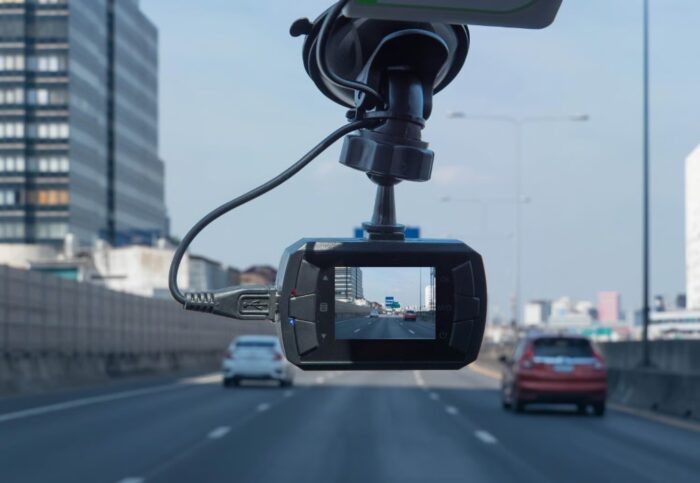
In many industries, compliance with safety and operational regulations is not optional — it’s a legal necessity. Fleet vehicle camera systems make meeting these requirements far easier by providing an automatic, tamper-proof record of every journey, delivery, and incident. This continuous recording ensures that managers have a detailed and verifiable log to present during audits, inspections, or internal reviews.
Such systems also help businesses demonstrate adherence to industry-specific standards, whether related to driver working hours, vehicle safety checks, or cargo handling procedures. This way, companies can avoid costly fines, maintain operating licenses, and build a strong reputation for reliability.
From a legal perspective, high-quality video footage can be a powerful defence tool. In the event of a dispute or court case, the ability to present clear, time-stamped evidence can mean the difference between a swift resolution and a prolonged, expensive battle. It helps protect the company from false claims, supports insurance processes, and gives legal teams the concrete proof they need to safeguard the business’s interests.
Choosing the Right Fleet Vehicle Camera System
When selecting a camera system, consider:
- Camera quality – High-resolution footage is essential for identifying number plates, road signs, and fine details.
- Field of view – Wider angles capture more of the driving environment, reducing blind spots.
- Data storage – Look for systems that offer secure storage, either onboard or in the cloud.
- Integration – Choose systems that work seamlessly with your existing fleet tracking technology.
For businesses seeking a complete, reliable solution, fleet vehicle camera systems from a trusted provider can deliver the safety, accountability, and efficiency gains that modern fleet operations demand.
Conclusion
Fleet vehicle camera systems are no longer a luxury – they are a vital tool for any business operating a fleet of vehicles. By improving safety, protecting against false claims, supporting driver training, and enhancing operational oversight, they offer a strong return on investment. When combined with fleet tracking, they provide the full picture managers need to run a safer, more efficient, and more accountable operation. Investing in the right system today will pay dividends in safety, cost savings, and customer satisfaction for years to come.