

Caffeine is a substance most of us encounter every day, whether it’s in our morning coffee, a cup of tea, or even a piece of chocolate. It’s prized for its ability to help us feel more awake, focused, and energised. But here does it come from, and how does it work within the body to create those stimulating effects?
While it’s often taken for granted, caffeine is a fascinating natural compound that affects millions of people daily. Understanding its origin, how it functions, and what its benefits and drawbacks are can help you make more informed choices about how and when to include it in your lifestyle.
Caffeine’s Origins and Natural Sources

Caffeine is a naturally occurring stimulant found in the seeds, leaves, and fruits of various plants. It serves as a natural pesticide for the plants, helping to protect them from insects. The most common sources include coffee beans, tea leaves, cacao pods (used to make chocolate), and kola nuts, which are often used in soft drinks.
Over time, humans have harnessed these sources to create a wide range of beverages and products. Coffee and tea remain the most popular forms of caffeine intake globally, but you’ll also find it in energy drinks, colas, pre-workout supplements, and certain medications.
Here’s a quick comparison of common foods and products that contain caffeine – even when you might not expect it:
| Product Type | Example Items | Estimated Caffeine Content |
| Chocolate | Dark chocolate (30g) | 20–30 mg |
| Soft drinks | Cola (330ml can) | 30–40 mg |
| Decaf coffee | Brewed decaf (1 cup) | 2–5 mg |
| Pain relievers | Excedrin, Anadin Extra (per dose) | 65–130 mg |
| Energy water | Enhanced water brands | 40–125 mg |
| Green tea extract | Found in weight loss & detox products | 25–90 mg per serving |
| Ice cream or yogurt | Coffee-flavored desserts | 30–45 mg per serving |
Tip: Always read labels – some supplements, gums, and even skincare products (like caffeine-infused eye creams) include it too.
How Caffeine Affects the Body
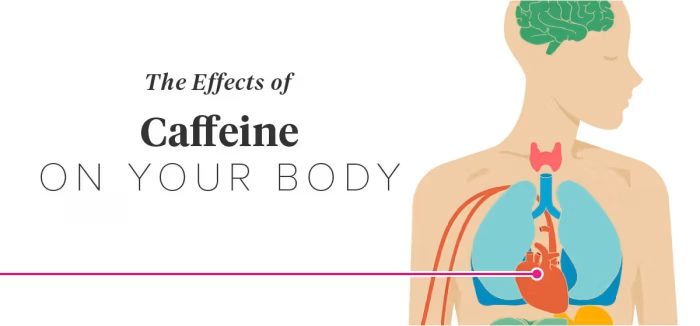
Once consumed, caffeine is quickly absorbed into the bloodstream and reaches the brain within 30 to 60 minutes. There, it blocks the effects of adenosine – a neurotransmitter responsible for making us feel tired. By blocking adenosine, caffeine promotes the release of other neurotransmitters like dopamine and norepinephrine, which increase alertness, mood, and cognitive function.
These effects typically last for several hours and can vary depending on how quickly an individual metabolises caffeine. Some people process it rapidly, while others feel the effects for much longer. This is why one person can drink coffee at night and still sleep soundly, while another lies awake after an afternoon espresso.
Cognitive and Physical Benefits of Caffeine
One of the most well-known effects of caffeine is improved mental alertness. Many people find it helps them focus, think more clearly, and feel more motivated. It has also been shown to enhance memory and reaction times in the short term, which is why it’s often used to combat fatigue at work or during study sessions.
Physically, caffeine may enhance performance by increasing endurance and reducing perceived effort. This has made it a popular aid among athletes and fitness enthusiasts. Some evidence also suggests it may help with fat oxidation and metabolism, though the effects are generally modest.
How Long Does Caffeine Stay in Your System?
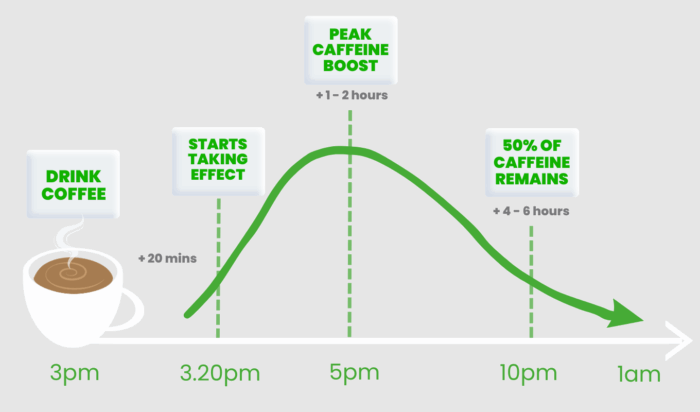
Although the immediate effects can be felt within an hour, it stays in your body much longer than most people think. The average half-life of caffeine is about 3 to 5 hours, which means it takes that amount of time for your body to eliminate half of it. However, this can vary based on genetics, health conditions, and other factors.
Here’s a breakdown of caffeine metabolism and timing:
- Absorption begins: Within 15–45 minutes of consumption.
- Peak concentration: Reached around 60 minutes after intake.
- Half-life: Typically between 3 to 5 hours for healthy adults.
- Complete clearance: It can take 8 to 14 hours for caffeine to fully leave the system.
- Slower metabolism: In pregnant women, people with liver conditions, or those taking certain medications, clearance can take even longer.
Note: Even decaf coffee contains around 2–5 mg of caffeine, which can still affect those with extreme sensitivity.
Potential Side Effects and Individual Sensitivity

Although caffeine has many benefits, it’s not without its drawbacks. Some individuals are more sensitive to it and may experience side effects such as jitteriness, anxiety, digestive upset, or insomnia. These symptoms can occur even at moderate intake levels for certain people.
Genetics play a significant role. Other factors, such as age, liver function, medication use, and pregnancy, can influence how your body processes caffeine. For example, pregnant women are advised to limit their intake because caffeine crosses the placenta and may affect fetal development.
Most health guidelines suggest that up to 400 milligrams of caffeine per day – about four cups of brewed coffee – is considered safe for most healthy adults. However, this recommendation can vary depending on your individual tolerance and health status.
Making Informed Choices About Caffeine
Understanding what is caffeine and how it functions in the body allows you to make more informed choices about your consumption. Whether you’re reaching for your morning coffee, an afternoon cup of tea, or an energy drink before a workout, knowing how it affects you can help you avoid unpleasant side effects and enjoy its benefits more fully.
It’s also important to consider all sources of caffeine, not just coffee. Chocolate, soft drinks, some pain relievers, and even decaffeinated coffee contain small amounts that can add up over the course of a day.
To dive deeper into the science of what is caffeine?, educational resources are available to provide detailed insights into its role in health and wellbeing.
In summary, caffeine is a powerful, naturally occurring stimulant with both benefits and risks. When consumed thoughtfully and in moderation, it can be a valuable part of a balanced lifestyle.